



Preventing Rot in Wooden Fence Posts
So you’re ready to put up a new fence. Maybe it’s to keep the dog in, the nosy neighbor out, or simply to mark your space with something clean and classic. You pick out your style, measure your lines, maybe even dig that first post hole yourself. But here’s the part people often overlook until it’s too late: preventing rot in wooden fence posts. Fence posts are the backbone of your fence. Without solid, rot-free posts, even the best-looking fence will sag, lean, or collapse over time. And rot doesn’t just happen overnight. It’s slow, sneaky, and expensive when ignored. Let’s talk about how to stop it before it starts.
Why Fence Posts Rot in the First Place
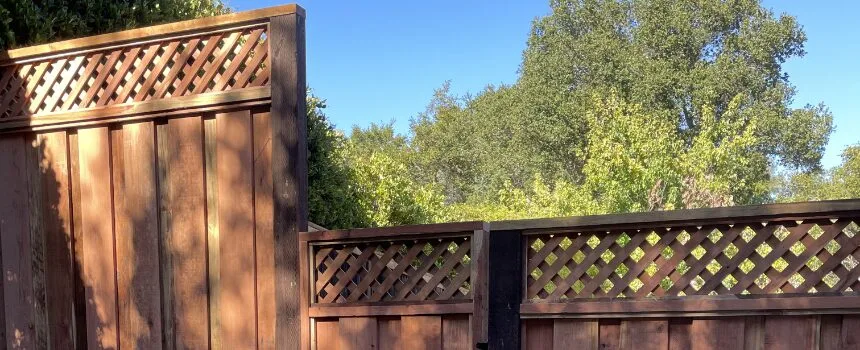
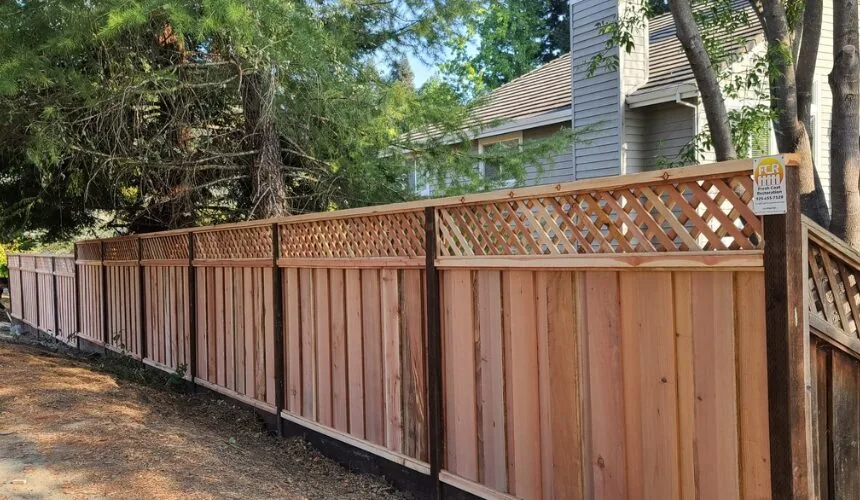
You’ve probably seen it before. A beautiful fence starts leaning. The wood at the bottom of the post looks darker than the rest, maybe a little crumbly. That’s wood rot, and once it sets in, it doesn’t stop.
So what causes it? Well, several factors contribute to rot, but it all boils down to one thing: moisture.
When wooden fences absorb and hold moisture, especially near ground level, rot begins. Add in poor drainage, direct contact with wet soil, and the lack of proper installation, and you’ve got a recipe for trouble.
- Moisture exposure and moisture buildup
- Direct water contact from sprinklers, runoff, or puddling
- Insect damage
- Sun UV damage weakening the surface
- Using untreated or improperly treated wood
Choosing the Right Materials (Start Strong)
Let’s back up. Before you even dig that first hole, the choices you make matter. The right materials are your first defense against the rotting process.
Pressure Treated Wood
Using pressure treated wood is non-negotiable. It’s not just a buzzword, it actually means the wood has been soaked in preservatives that resist moisture, insects, and fungi. For fence posts, you want wood that’s rated for ground contact. Anything less won’t last.
Look for stamps on treated lumber indicating it’s safe for direct soil contact. If it’s not marked as ground contact, skip it. It won’t cut it, especially for wooden posts that live in wet or humid areas.
Need professional chain link fencing? Call our experts now!
Redwood
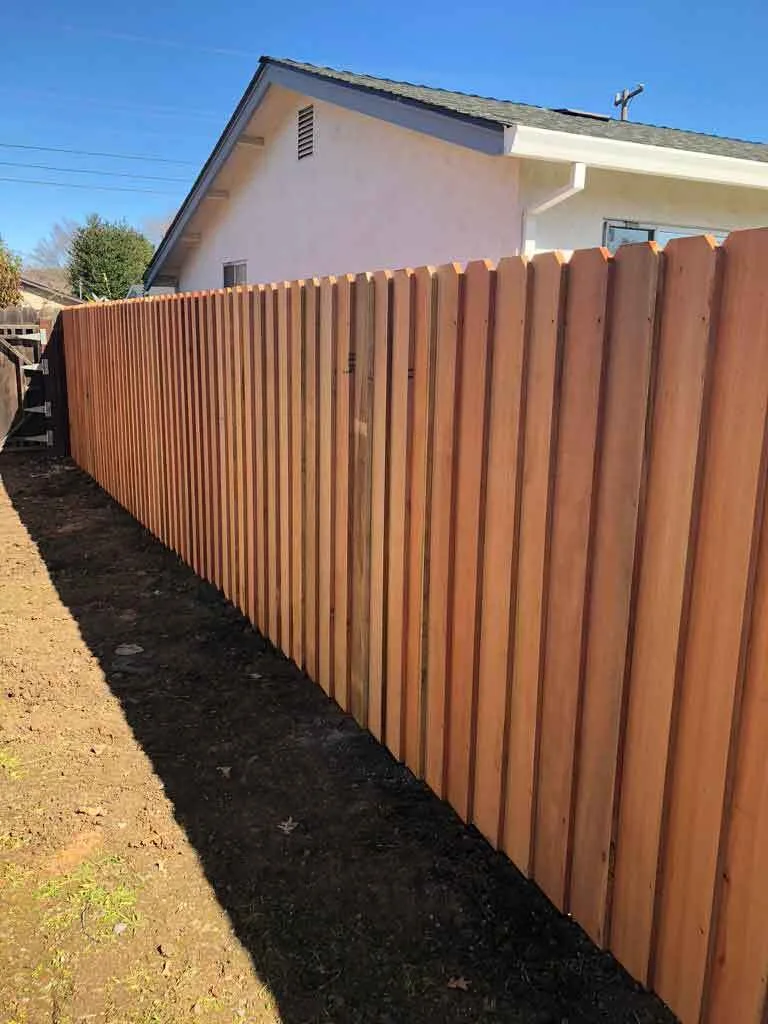
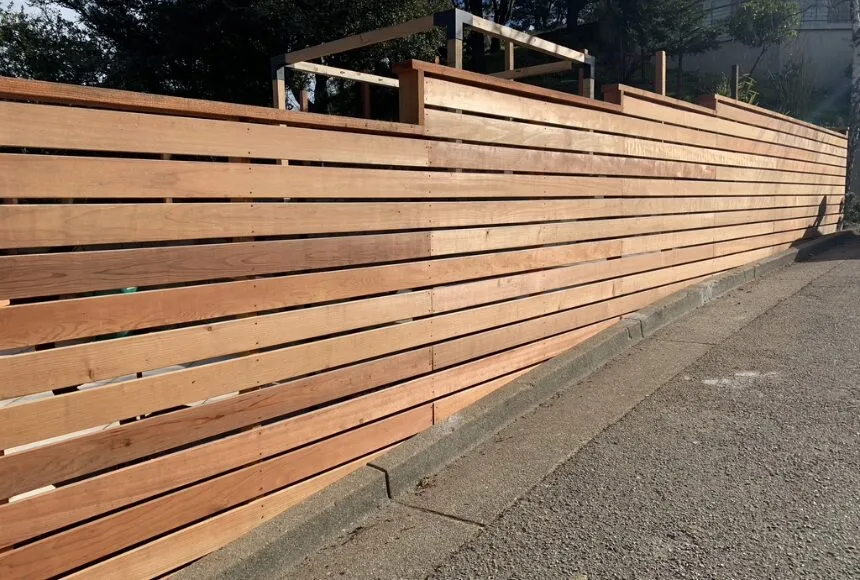
Redwood stands out as a premium option. Naturally rich in oils and tannins, redwood is highly resistant to decay, insects, and warping; without the need for heavy chemical treatments. It holds up better in harsh weather and maintains its shape and strength longer than other options. Plus, its deep, warm color and tight grain pattern give it a high-end look that ages beautifully, even without staining.
Digging Smart: What to Know About the Post Hole
How you dig and set your post makes all the difference. A shallow post hole or poor backfill can trap water, speed up rot, and leave you with wobbly posts in just a few seasons.
How Deep?
A good rule of thumb is to dig your hole one-third the height of the post. So, for a 6-foot post, you’re looking at a 2-foot-deep hole at minimum. If you’re in a windy area or dealing with soft soil conditions, go deeper.
Need fence staining and restoration? Get in touch with our experts now!
Should You Set Fence Posts in Crowned Concrete?
Ah, the age-old question!
If you’re pouring concrete for your fence posts, it’s not just what you pour that matters, but how you shape it. A crowned or domed top, where the concrete slopes away from the post in all directions, is a small detail that makes a big difference.
Why? Because flat-topped concrete traps water. That moisture sits there, slowly working its way down the post. Even if you’re using treated lumber, water pooling around the base can speed up rot over time. A crowned surface, on the other hand, naturally sheds water, keeping the post drier and healthier for longer.
Just make sure the crown doesn’t rise above ground level unless it’s sealed properly. And if you want to take it a step further, use a post sleeve or bracket to keep the wood from ever touching the concrete or soil directly.
The bottom line: crowned concrete gives you the strength of a solid footing without holding onto moisture. It’s one of those simple choices that helps your fence stay standing, and looking good for years.
If you want wood and composite decking for your property, our expert team can help you!
Proper Installation: It Matters
We’ve talked about materials, digging, and sealing. But your installation process is where it all comes together.
A proper installation means:
- Posts are set deep and straight
- Backfill includes concrete
- Water drains away from the bottom of the post
- Posts are aligned with strong rails and well-secured connections
Skipping any part of this can lead to early failure, even if you’re using the best treated lumber money can buy.
Don’t Forget Regular Maintenance
Even a long lasting fence needs a little love.
Here’s what regular maintenance looks like:
- Walk your fence line twice a year. Check for soft spots, leaning posts, or early signs of rot.
- Look for insect damage or uv damage on the surface.
- If the bottom of a post looks dark or feels spongy, it’s time to act.
- Reapply wood preservatives every couple of years, especially after storms or hard winters.
Catching these things early means fewer costly repairs and a fence that stands strong for years.
Soil Conditions & Drainage: What’s Underground Matters
It doesn’t matter how well you build your fence if your yard turns into a swamp after every rain. Soil conditions are a huge factor in how well your posts hold up over time.
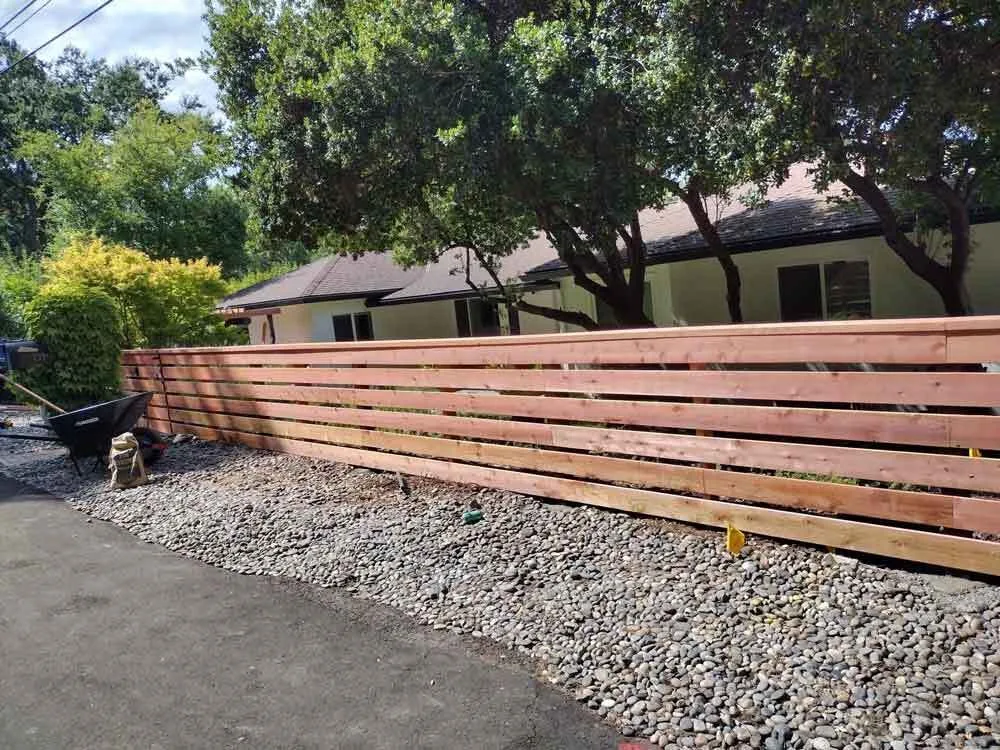
Poor drainage means water sticks around the ground level, soaking the wood and speeding up rot. Fixing moisture buildup in your yard might mean grading the land, installing a French drain, or simply repositioning sprinklers.
Boy Scouts may have taught us to “leave it better than we found it”, and that applies here. You don’t want to go to all this effort and still lose the fight because the yard’s working against you.
Final Thoughts: Build it Right, Keep it Standing
At the end of the day, preventing rot in wooden fence posts isn’t about one secret trick. It’s about getting the process right from the start, paying attention to detail, and doing a little upkeep along the way.
Start with treated wood, protect it from direct contact with soil, add good drainage, and seal up the weak spots. When you build it right, you get a strong fence that lasts, not just looks good for a season.
Because nothing’s more frustrating than watching your new fence slowly give up from the bottom up.
Call FCR Fence & Deck for Installation & Fabrication Services
If you’re ready to stop worrying about rotting fence posts and want the job done right from the start, FCR Fence & Deck has you covered. Based in the Bay Area, we specialize in building long-lasting fences using quality materials.
If you need a brand-new wooden fence, wood and composite decking, or custom iron fabrication, our team can help! Contact us today or book a free estimate to get a fence that’s built to last!