Wrought Iron Fence Maintenance Tips

Wrought iron fencing brings a good level of security to a property that is hard to match. But like everything else, it needs good maintenance. And if you do so, it will last 70 – 80 years or maybe more. If you neglect it, nature will eventually win. In this guide, we’ll walk through exactly how to maintain your fence, from basic cleaning to tackling rust spots, so you can keep it looking sharp for decades:

Why Wrought Iron Fence Maintenance Matters
You might think metal fencing is “set it and forget it,” but that’s a misconception. The first thing that will damage your fence is: Moisture. The result? Rust formation. 
Wrought Iron Fence Care
Ways to Upkeep Your Wrought Iron Fence
According to industry data, regular maintenance can extend the lifespan by up to 50%, according to the fencing material. That means a fence that could last 60 years might fail in 30 if you ignore the warning signs. A little effort now saves you a lot of headaches later.
In short: Routine checks prevent minor damage from turning into structural failures. Plus, a well-maintained fence preserves the aesthetic appeal of your home, which can improve property value by an estimated 5-10% depending on your market. Here are the complete wrought iron fence maintenance tips:

Cleaning Your Wrought Iron Fences Regularly

You need to start with the basics: cleaning. Over time, your fence collects dirt, pollen, bird droppings, and grime. This buildup holds moisture against the metal = speedy rusting.
A mixture of warm water and mild dish soap is usually enough:
  • Mix about a tablespoon of soap into a bucket of warm water.
  • Dip a soft sponge or clean cloth into the soapy water.
  • Wipe down the entire fence, focusing on crevices where dirt likes to hide.
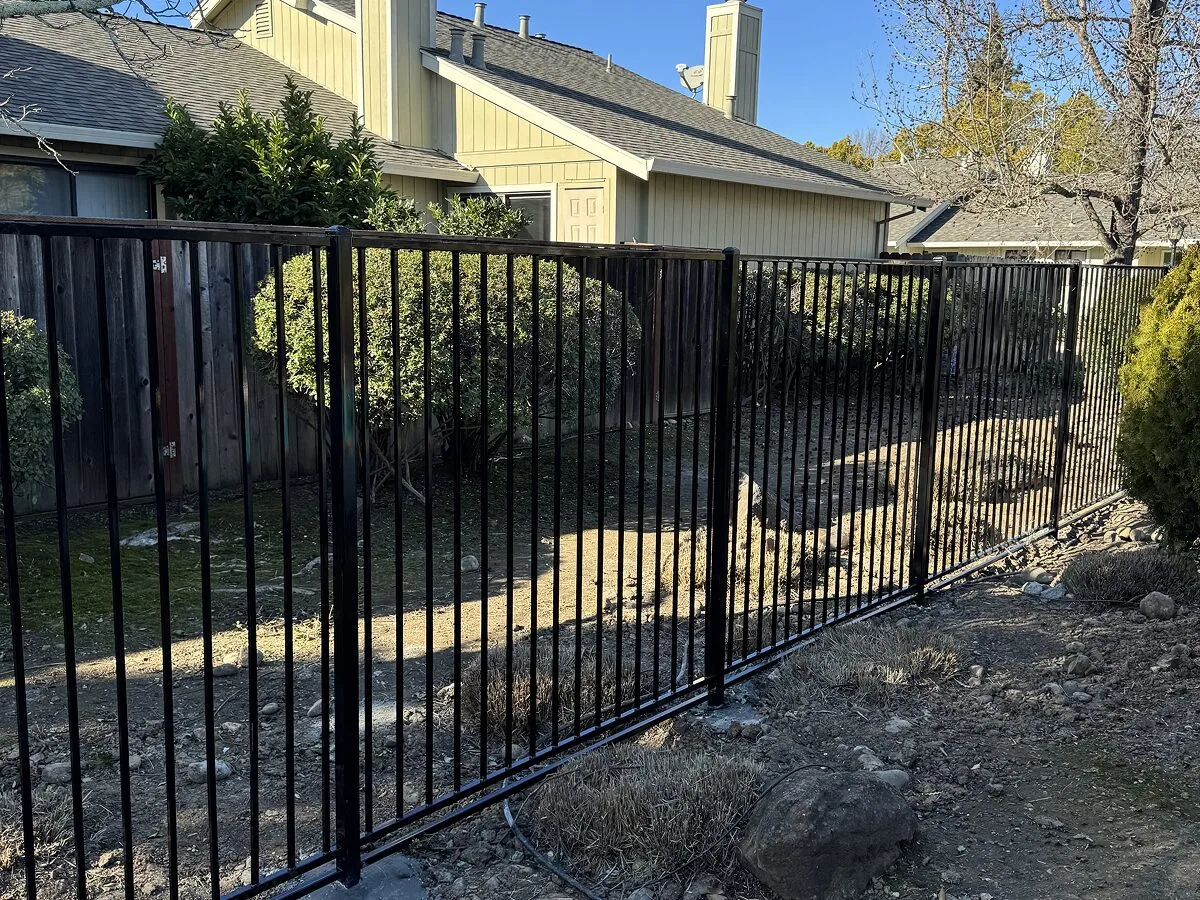
Avoid harsh chemicals that could strip the protective coating. If you have intricate scrollwork, use a soft brush (an old toothbrush works) to get into the tight spots.
Once you’ve scrubbed away the grime, rinse the fence thoroughly with a garden hose. You want to make sure all the soap residue is gone. Soap can leave a film that actually attracts more dirt later on.
The final step: After rinsing, wipe it down with a soft cloth or let the sun dry the whole mix out. Leaving the fence wet creates the perfect environment for rust to start.
How to Care for Wrought Iron Fence

Inspecting for Rust Spots on Your Iron Fence

You should do a thorough walk-through at least twice a year: once in the spring and once before winter.

Look closely for discoloration, bubbling paint, rust, and orange streaks. These are the early signs of old fence and rust sports. Inspect the:

  • Welded joints
  • Areas near the ground (where moisture accumulates)
  • Scratches or nicks in the paint
  • Hinges and latches
Even a scratch as small as 2mm can be an entry point for moisture. Catching these issues early means you can handle repairs quickly, often in under an hour.

How to Remove & Repair Rust?

So, you found some rust. Don’t panic. It happens to the best of us. The key is to address it immediately before it eats into the structural integrity of the metal.

Remove as Much Rust as Possible

Grab a wire brush or some sandpaper. Your goal is to scrub away all the loose rust until you see bare metal.

  • For small spots: a handheld wire brush is fine.
  • For larger areas: you might need a drill with a wire wheel attachment.
  • Scrub vigorously to remove dust and debris.

Use a Rust Converter

If you can’t get every tiny speck of rust off (especially in deep pits), use a rust converter. This is a chemical treatment that turns iron oxide (rust) into a stable black compound that moisture can’t penetrate. It essentially kills the rust and preps the surface for painting.

Apply Rust Protective Coating

Don’t just grab any spray paint from the garage. You need a rust-inhibiting paint designed specifically for metal fencing. Apply two thin coats rather than one thick one. Thick coats tend to drip and peel. Whether you use a brush or spray paint, make sure you blend the edges with the existing paint for a seamless look.

Painting Wrought Iron Fencing for Protection

We recommend repainting your entire fence every 10 to 15 years, but spot touch-ups should happen annually. Look for oil-based enamels specifically rated for outdoor metal use. These paints create a hard shell that repels water. Some modern options include epoxy-based paints, which offer superior durability. This lasts up to 40% longer than standard oil paints in harsh weather conditions.

  • Put down drop cloths to protect your grass or concrete.
  • If painting the whole fence, give it a light scuff sand to help the new paint stick.
  • Remove dust from sanding with a damp cloth.
  • Apply your rust-resistant paint.
  • If using spray paint, keep the can moving to avoid drips.
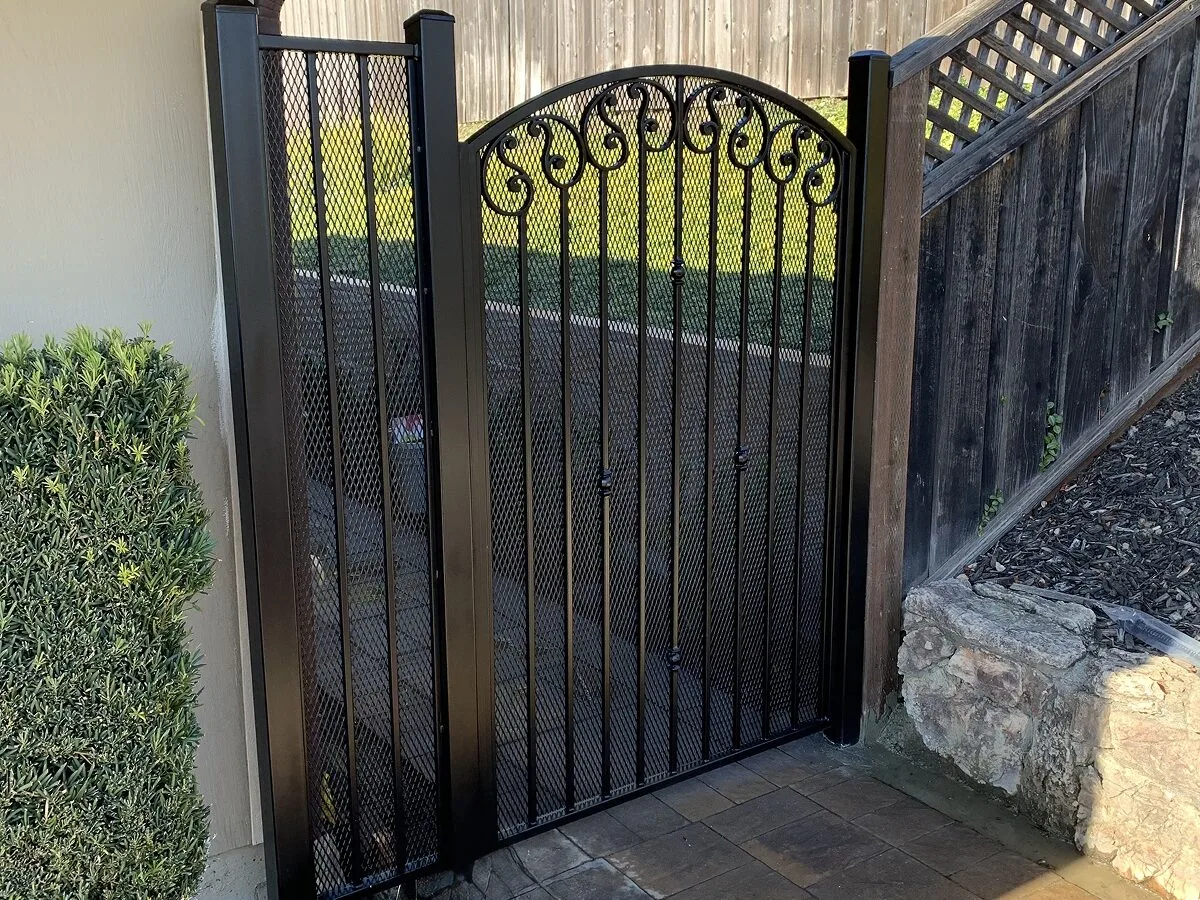
How to Clean Wrought Iron Fence

Lubricating Hinges and Moving Parts

Avoid standard WD-40 for long-term lubrication: it cleans well but dries out quickly. Instead, use a silicone-based lubricant or white lithium grease. These products stay in place longer and handle temperature shifts better.
Apply the lubricant to the hinges, latch mechanism, and any other moving parts. Open and close the gate a few times to work the lube into the joints. Wiping away excess oil to prevent it from attracting dirt. Doing this once a year is usually enough to prevent squeaking and keep things operating smoothly. Here’s the complete checklist for professional deck maintenance.

Managing Your Landscape Around the Fence

Your landscaping plays a huge role in the health of your fence. Overgrown vegetation is the silent killer of wrought iron.

Vines might look romantic growing on a fence, but they trap moisture against the metal 24/7. They can also lift paint as they grow. Keep bushes, heavy grass, and vines trimmed at least 3-6 inches away from the fence line. This allows airflow, which helps keep the fence dry after rain.
Check your sprinkler heads. If they are blasting your wrought iron fence with water every morning, you are accelerating rust formation by roughly 300%. Adjust the heads so they spray away from the fence, or switch to a drip system near the perimeter.

When to Call a Professional

While most maintenance is DIY-friendly, sometimes you need backup. If your fence has structural damage—like bent bars from a fallen tree branch or deep rust that has eaten through the metal—it’s time to call a pro.
Welding repairs on wrought iron fences require specialized skills. Attempting to weld it yourself without experience can weaken the surrounding metal. If more than 20% of the fence requires major repair, it might be more cost-effective to replace sections rather than trying to patch them.
When to Call a Professional

More Fencing Options at FCR Fence & Deck in Martinez, CA

We’re not just limited to chain link fencing—if you need any of the following types of fencing for your property, we’ve got it handled:

  • Picture frame fencing
  • Horizontal fencing
  • Nail-on fencing
  • Picket fencing
  • Shadow box fencing
  • Ranch rail fencing
  • Wire fencing
Best Fencing and Gates Services

Conclusion

In short: Maintenance is mostly about vigilance. A quick wash with soapy water, a yearly check for rust spots, and keeping the hinges greased will keep your fence standing strong for generations. Remember: rust is the enemy. The faster you handle it, the less work you have to do. By following these maintenance tips, you make sure that your fence remains secure and beautiful.

Ready to Upgrade? Get Custom Iron Fabrication Built to Last

If reading through these maintenance tips has you thinking, “My fence could use more than a touch-up,” you’re probably right. The truth is, even the toughest wrought iron eventually needs a little help. And if you want something that isn’t just sturdy but genuinely crafted, that’s where FCR Fence & Deck steps in.

Our Custom Iron Fabrication service is the go-to solution when you need fencing, gates, or metalwork that’s built with precision and made to outlast anything nature throws at it. Just solid, high-quality ironwork made exactly for your space and your style.

So if your fence is showing its age, or if you’re ready to add something bold, secure, and fully custom to your property, now’s the time to take the next step. Contact us now!