How to Ensure Proper Drainage Behind Retaining Walls?
A retaining wall can transform a sloped yard into a functional outdoor space. But here’s the thing: its strength isn’t just about the blocks or wood it’s made from. The real secret to a long-lasting retaining wall is something you can’t even see.
Without a well-designed drainage system, water gets trapped behind the wall. This leads to hydrostatic pressure, which is just a technical way of saying there’s a massive force of water pushing against your wall.
This pressure can cause bulging, cracking, and eventual wall failure. In fact, experts estimate that up to 80% of retaining wall failures are caused by improper drainage. So, let’s understand how to ensure proper drainage behind retaining walls.
Retaining Wall Drainage Requirements
How Does Retaining Wall Drainage Work

Understanding Hydrostatic Pressure

So, what exactly is hydrostatic pressure? Imagine a bathtub filled with water. As the water level rises, the pressure on the bottom and sides increases. The same thing happens behind your retaining wall. When it rains, water soaks into the soil. If there’s nowhere for that water to go, the soil becomes saturated. Hence, it exerts immense pressure on the wall structure.
This pressure buildup is no joke. For every foot of height, saturated soil can exert hundreds of pounds of force per square foot against your wall. That’s enough to compromise even heavily loaded walls over time, which eventually leads to structural damage and costly repairs.
So, in short, The goal of a proper retaining wall drainage system is to give that water an easy exit path.

Key Drainage Components for a Retaining Wall

The key here is choosing the best materials. Just like you choose the best material for a fence, you have to choose the best material for the retaining wall drainage. A good drainage system isn’t just one thing; it’s a combination of materials working together. A professional installation from a team like FCR Fence & Deck ensures all these components are correctly integrated for the best results.
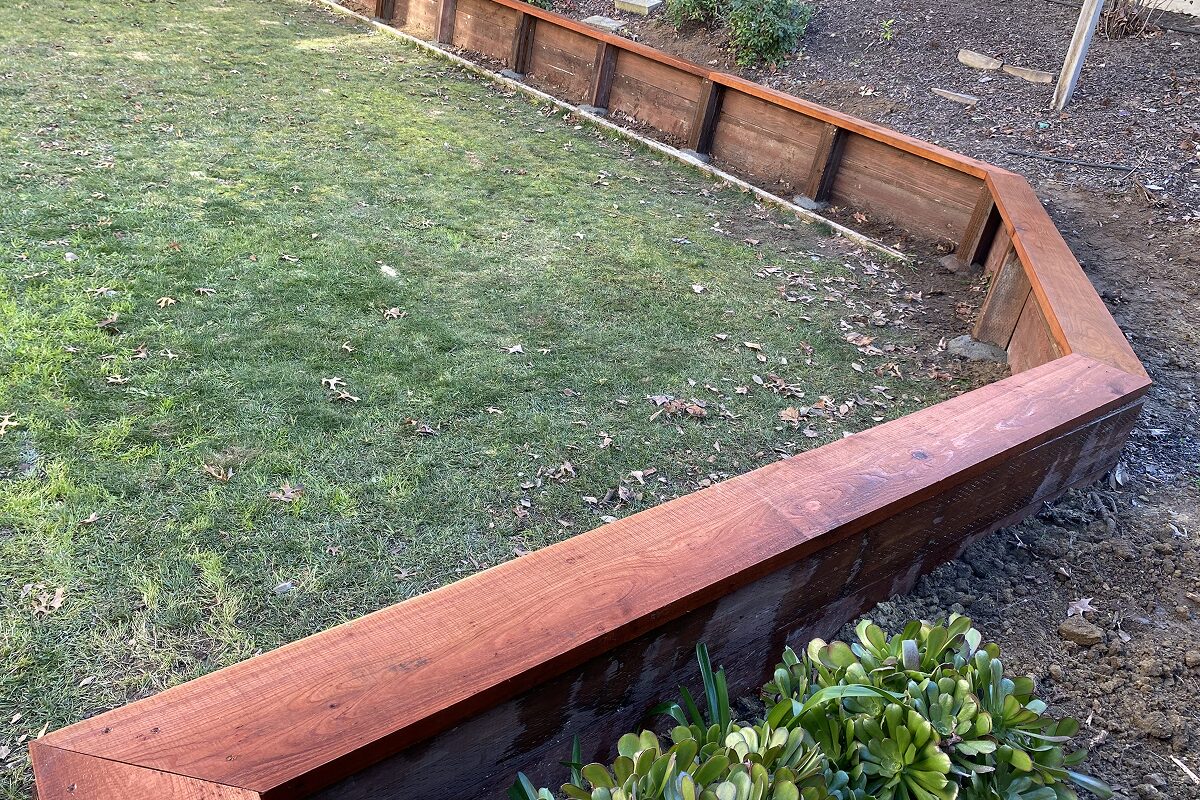
At What Height Does a Retaining Wall Need Drainage

Gravel Backfill

You can’t just backfill with the same soil you dug out. You need a porous material that allows water to flow freely down to the drainage pipes. This is where the gravel backfill comes in.
Using clean crushed stone or pea gravel creates a drainage zone right behind the wall. This gravel layer acts as a vertical channel. Hence, it prevents soil saturation against the concrete blocks or wood.

If this step is done right, it will not only improve the drainage system, but also do help in maintaining the soil moisture. This will eventually help maintain your whole outdoor space, and your gates, and fences around the space will also remain protected.

Perforated Drain Pipes

Perforated drain pipes have small holes or slits that allow water to enter them.

Here’s how it works:

  • As water trickles down through the crushed stone, it collects at the bottom of the wall.
  • The water enters the perforated drain pipes through the holes.
  • The pipe is angled slightly, using gravity to channel the water away from the wall to a safe discharge point, like a storm drain or a downslope area of your yard.
Without these drain pipes, water would just sit at the base of the wall. That will create a swampy mess and eventually lead to failure from the bottom up.

Landscape Fabric

So, you have your gravel and your pipe. But what stops soil particles from mixing with the gravel and clogging the whole system? The answer is: Landscape fabric.
This special fabric is placed between the gravel backfill and the surrounding soil. It’s permeable enough to let water pass through but fine enough to block dirt and sediment.
This keeps your drainage aggregate clean and your perforated pipe free from clogs, ensuring proper water flow for the long haul. Skipping this step is a common mistake that can render an entire drainage system useless in just a few years.
Retaining Wall Drainage Pipe

Installing Weep Holes

Weep holes are small openings or pipes placed directly through the face of the retaining wall, generally near the bottom. They serve as simple, passive drainage outlets. If any trapped water does accumulate at the base of the wall, it can escape through these holes instead of building pressure.
They are most common in solid concrete or concrete block walls. While they are a simple solution, the placement and sizing of weep holes are critical. Too few or too small, and they won’t be effective. That’s why professional retaining wall installation is a real deal.
And just like spotting early warning signs in outdoor structures, this guide on how to tell if a fence is old offers helpful insight into recognising problems before they become costly.

The Consequences of Poor Drainage

The signs of improper drainage can start small but quickly escalate.

  • Cracking and Bulging: The first sign of trouble is often visible cracks or a noticeable bulge in the wall. This is a direct result of hydrostatic pressure pushing the wall outwards.
  • Leaning: A wall that starts to lean forward is under serious stress. This indicates a potential structural failure and is a major safety concern.
  • Water Damage: For wood retaining walls, constant exposure to excess moisture leads to rot and decay, drastically shortening the life of the wall. For all wall types, freeze-thaw cycles in wet soil can cause significant wall movement and damage.
The result of poor drainage is almost always the same: eventual wall failure. That’s why you want a team that understands the type of soil, proper grading, and how to build a wall that lasts.

Conclusion

Building a new retaining wall is a significant investment in your property. Ensuring it has a proper drainage system is the single most important factor in protecting that investment. While it might be tempting to cut corners on the unseen parts, the consequences of inadequate drainage are too severe to ignore.
A well-designed drainage system will prevent pressure buildup, protect the wall’s structural integrity, and save you from costly repairs down the line. From choosing the right drainage aggregate to correctly installing perforated drain pipes and landscape fabric, every step matters.

Ready to Build a Retaining Wall That Actually Lasts?

If you’re thinking about installing a retaining wall, or replacing one that’s already leaning like it’s had a long night out, this is where FCR Fence & Deck steps in. We’ve seen the DIY disasters, the shortcuts, the missing drain pipes, and the walls that never stood a chance. Your project deserves better. When you work with FCR Fence & Deck, you’re getting a drainage system built the right way, from the ground up. So, contact us now! Reach out to FCR Fence & Deck.