




Building a Wooden Retaining Wall That Lasts for Years
You might see plenty of concrete retaining walls or those made from concrete blocks. A retaining wall offers a natural aesthetic that blends beautifully into outdoor spaces. The catch? Wood needs to be handled correctly to ensure it lasts. Building a wooden retaining wall that stands firm for years isn’t about luck. It’s about careful planning, using the right materials, and understanding the forces you’re working against. In this guide, we’ll explain a step-by-step guide for building a wooden retaining wall that lasts for years.
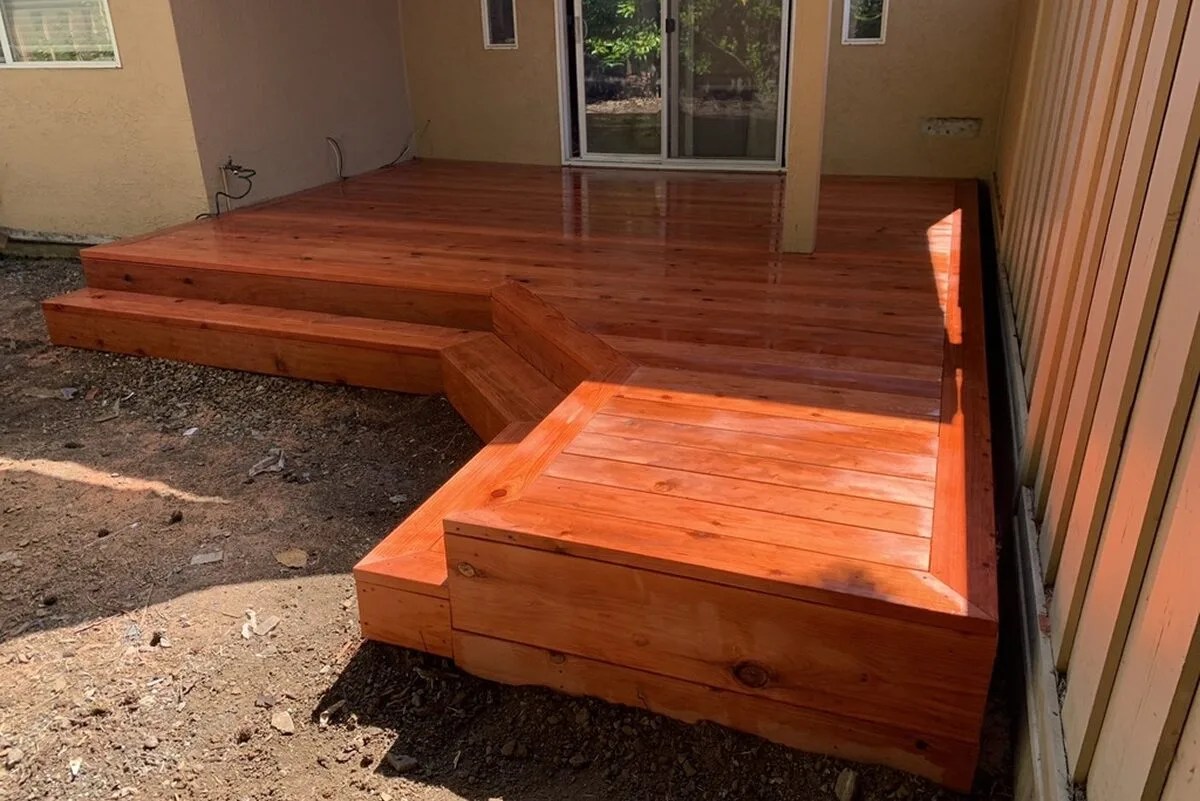
Why a Wooden Retaining Wall?
The question here is: Why might you choose a timber wall over concrete walls or stone? Wooden retaining walls are generally more cost-effective and easier for a DIYer to handle than their heavier counterparts. The materials are widely available, and with the right techniques, you can create a structure that holds its own for 20 years or more.
The main challenge with wood is its susceptibility to rot and insect damage. That’s why material selection and proper construction are so critical. Get it right, and you’ll have a durable wall that adds value to your property. Get it wrong, and you could be looking at a leaning mess in just a few seasons. Here’s a complete guide for choosing the best fencing material.
Planning & Using the Right Materials
Great retaining wall projects start with a solid plan and not with a shovel in hand. This phase is all about making smart choices that will extend your wall’s life.
Check Local Regulations
Many municipalities have rules about wall height, and walls over 3 or 4 feet tall require permits and an engineer’s stamp of approval. They also have setback requirements from property lines. Ignoring local regulations can lead to fines and a demolition order. Save yourself the trouble and make the call.
Assess Your Site & Soil
Take a look at the area. What’s the slope angle? Is it a gentle slope or a steep one? This will determine how much reinforcement your wall needs. Also, consider the soil type. Sandy soil drains well but doesn’t compact as tightly, while clay soil holds a lot of water, which adds significant hydrostatic pressure behind the wall.
Knowing your soil helps you plan a better drainage system. Also, make a quick call to have underground utilities marked. Hitting a water or gas line is a surefire way to ruin your weekend.
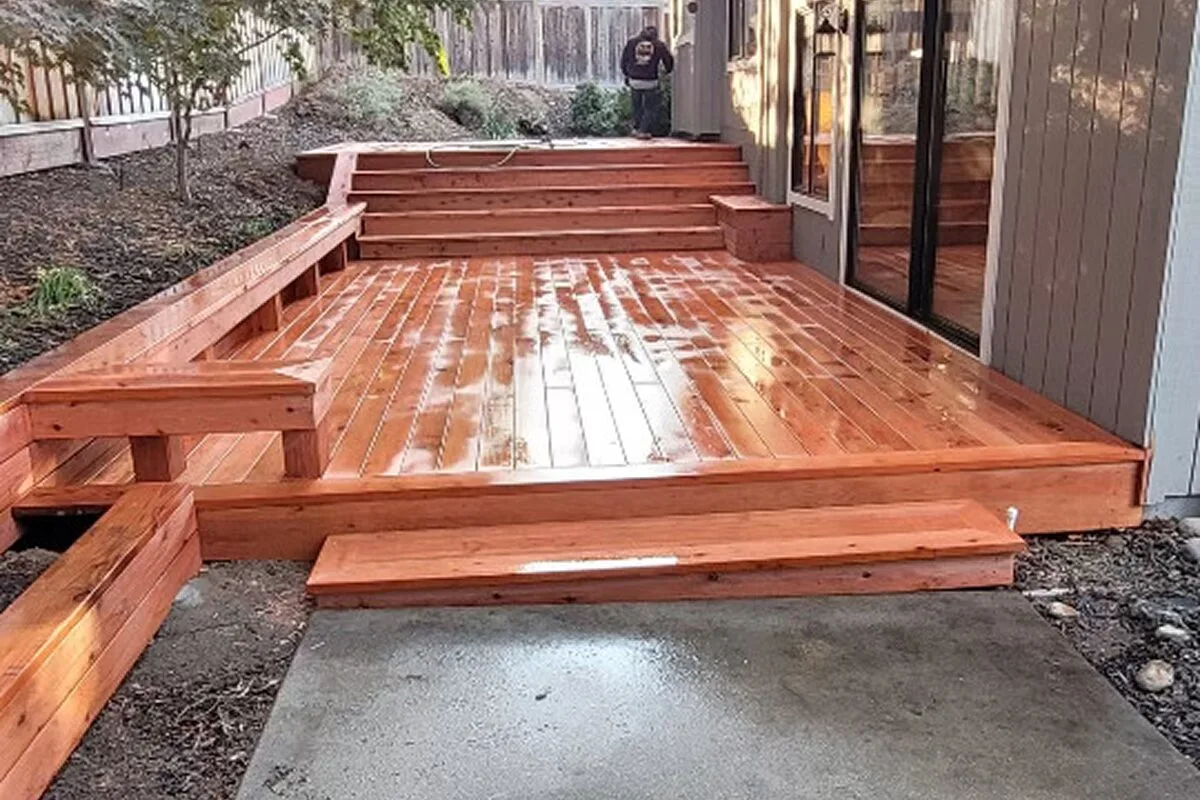
Choosing Your Wood Retaining Wall
Pressure-Treated Lumber
This is your go-to. It’s designed specifically to prevent soil from rotting the wood. Standard pressure-treated wood for decks isn’t enough; you need the ground-contact rating.Landscape Timbers & Railroad Ties
These are popular choices. Landscape timbers are often rounded on two sides, which can add a nice aesthetic. Old railroad ties can also work, but be aware that they are generally treated with creosote, a substance that can be messy and is not ideal for residential settings, especially around vegetable gardens. Here’s a complete guide on the difference between fences and gates.
Step 1: Digging the Trench and Building a Gravel Base
Every strong wall starts with a solid base. Don’t cut corners here.
- Mark Your Layout: Use stakes and string to mark out the exact location and line of your wall.
- Dig the Trench: For a wooden wall, you’ll want a trench that’s about 12 inches wide and deep enough to bury at least the half. For a 6-inch timber, that means a trench at least 3-4 inches deep. This helps anchor the wall and prevent erosion at its base.
- Add the Gravel Base: Fill the bottom of the trench with 3 to 4 inches of crushed stone or gravel. Use a hand tamper to compact it until it’s firm and level. This gravel base is crucial because it allows water to drain away from the foundation of your wall, preventing heaving during freeze-thaw cycles.
Step 2: Laying the First Course of Landscape Timbers
The first course is the most important one. If it’s not level and secure, the rest of your wall will be off, too. Lay your first timber in the trench on top of the compacted gravel base.
Use a 4-foot level to check it from side to side and front to back. Make necessary adjustments by adding or removing gravel until it’s perfectly level.
Hammer 2-foot-long pieces of rebar through the holes to pin the timber securely in place. This prevents the base of the wall from sliding forward under soil pressure. Here’s a complete guide of professional deck maintenance checklists.
Step 3: Stacking & Securing Subsequent Courses
Just like with bricklaying, you want to stagger the joints of each other course. This adds structural integrity. Cut a timber in half with a circular saw to start your second course. Secure each timber to the one below it. Use 10- to 12-inch galvanized spikes, hammering them every 2-3 feet.
For a stronger connection, use specialized timber screws designed for this purpose. They pull the timbers together tightly and have superior holding power. For walls taller than 2-3 feet, you need to tie the wall back into the hillside for structural support. These anchors, called “deadmen” or tie backs, are T-shaped braces made from the same treated wood.
They should be installed every 6-8 feet along the wall, starting on the third or fourth course. The long part of the “T” extends back into the slope, and the weight of the soil on top of it helps hold the wall in place. Taller structures may require more extensive anchoring.
Step 4: Building a Proper Drainage System
Water is the number one enemy of a retaining wall. Hydrostatic pressure can push over even a well-built wall. A proper drainage plan isn’t optional; it’s essential:
Install Landscape Fabric
As you build, lay landscape fabric (also called filter fabric) behind the wall. This fabric should extend from the bottom of the trench to the top of the wall. Its job is to let water pass through but prevent soil from clogging your drainage solutions.
Create a Gravel Backfill Zone
As you add each course, fill the space between the landscape fabric and the back of the wall with at least 12 inches of crushed stone or gravel. This gravel backfill creates a clear path for water to travel down.
Add a Perforated Drain Pipe
At the base of the wall, right on top of the gravel base, lay a 4-inch perforated drain pipe. It should run the length of the wall and have a slight slope to an outlet where water can safely exit. This is one of the most effective drainage solutions to prevent water buildup.
Conclusion: Building a Wall That Endures
Ready for a Retaining Wall That Actually Stands?
If you’ve read this far, you already know one thing: a long-lasting wooden retaining wall isn’t something you leave to chance. It’s a project that demands the right materials, the right drainage, and the kind of craftsmanship that ensures you’re not staring at a leaning, rotting wall five years down the line.
And while DIY tutorials make it look easy, the truth is that the difference between a wall that lasts a season and a wall that lasts decades comes down to experience. That’s exactly what FCR Fence & Deck brings to the table. We also offer fence and gate installation, and chain link fence installation. So if you’re ready to transform a problem slope into a stunning, long-lasting feature, now’s the perfect time to take the next step. Contact us now!