



How Long Does A Wood Fence Last
What You Can Expect from the Wood Fence Lifespan
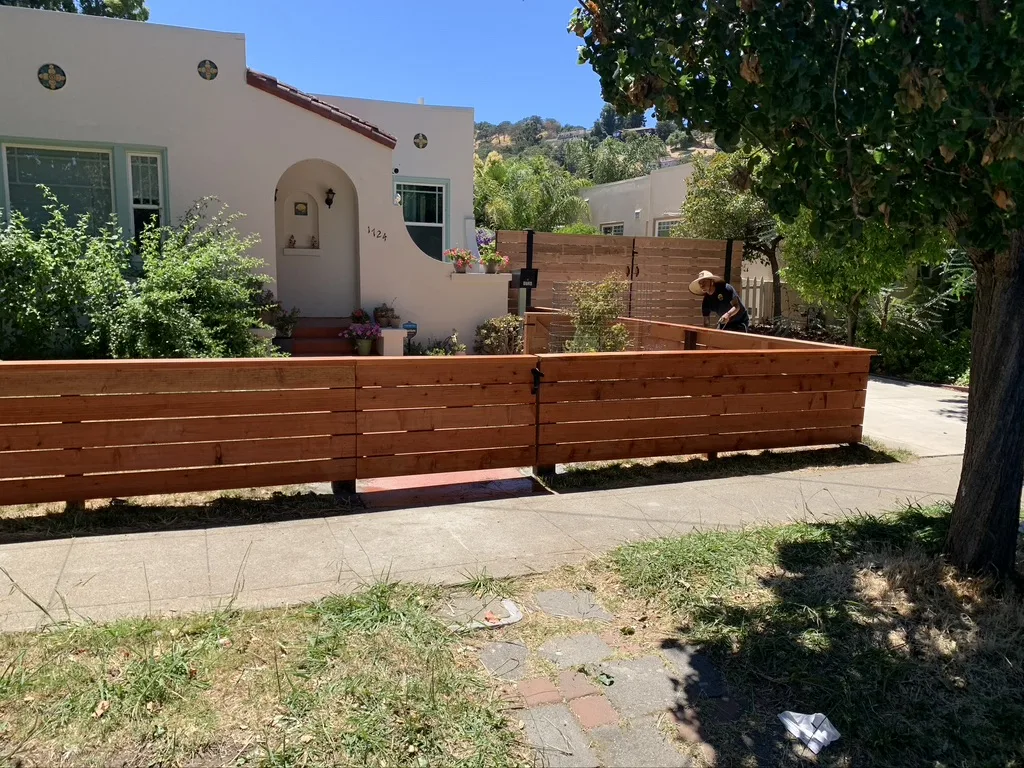
The life expectancy of a wood fence depends on many factors. On average, a well-maintained wood fence can last between 15 and 25 years, but this number can swing dramatically based on the type of wood, installation quality, and ongoing care. Treated wood tends to last longer than untreated varieties. Redwood is naturally resistant to rot and insects, giving your wood privacy fence additional years of life.
Wood can be affected by UV rays, harsh weather, and moisture buildup if not properly maintained. A new fence installed correctly and cared for regularly can easily outshine aluminum fencing in terms of curb appeal and durability.
Types of Wood Affect Fence Longevity
The type of wood you choose for your fence panels and fence posts plays a huge role in how long your entire fence will last. Here’s a quick rundown:
- Redwood: Highly durable, naturally moisture-resistant, and long-lasting, often exceeding 25 years.
- Untreated wood: More vulnerable to UV damage, termite damage, and moisture, usually lasting 10 years or less.
Choosing the right fence starts with picking a wood that balances durability, cost, and appearance.
Installation Quality Matters
Fence posts set in poor soil or improperly spaced can compromise the structural integrity of your wooden fence. A well-installed fence with quality fence panels and properly set posts will resist warping, rotting, and leaning under the pressure of summer sun, moisture, and wind.
How Weather Affects a Wood Fence
Weather plays a huge role in determining how long a wood fence lasts. Areas with heavy rain, moisture buildup, or harsh weather will accelerate decay if your fence isn’t weather-resistant. In the Pacific Northwest or Portland area, for example, constant rain can encourage mildew growth and rot in wood posts. Conversely, fences in sunny regions must withstand UV damage from the summer sun, which can dry out wood, cause cracking, or fade the stain.
Regularly trimming vegetation around the fence, keeping dirt and moisture away from ground contact, and staining or sealing the wood can protect against weather damage. These small actions can extend your fence’s life by several years.
Maintenance Tips to Make a Wood Fence Last Longer
A well-maintained wood fence can defy the elements for decades. Here’s how to maximize your fence’s durability:
- Regular maintenance: Inspect your fence every 6–12 months for loose nails, damaged boards, or insect damage.
- Protect against moisture: Ensure proper drainage around fence posts, and keep plants from trimming vegetation too close.
- UV protection: Apply a high-quality stain or sealant to guard against UV rays.
- Termite and insect prevention: Use pressure-treated wood or chemical treatments to resist carpenter ants and termites.
- Prevent warping: Keep fence panels and wood posts straight and properly supported.
- Low maintenance choices: Cedar or redwood fences naturally resist moisture and insects, reducing upkeep.
Neglecting small issues like minor damage, loose nails, or mildew growth can shorten your fence’s life significantly.
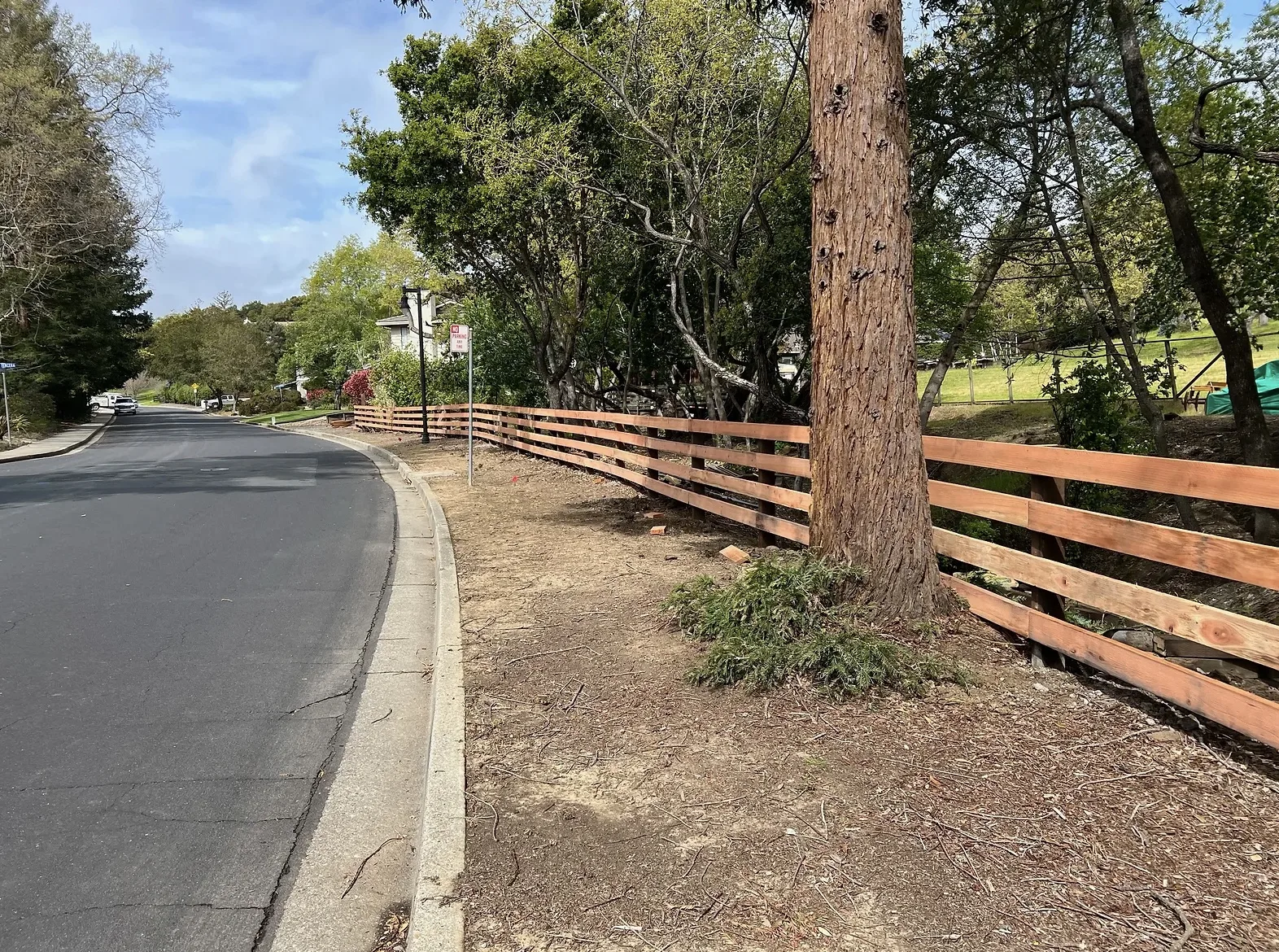
Comparing Wood to Other Fencing Options
Wood fences have a charm and natural beauty that fencing, aluminum, or chain link simply cannot match. However, each fence material has its pros and cons:
- Aluminum fences: Highly durable and low maintenance, but don’t offer the same privacy fence benefits.
- Chain link: Cost-effective but provides minimal curb appeal or privacy.
A wood fence stands out for curb appeal, versatility, and its ability to blend naturally into garden beds or landscaping. With proper installation, material quality, and regular maintenance, it can outlast many modern alternatives while giving your property that classic, timeless look.
Practical Tips to Extend Your Fence’s Life
A few practical strategies can make a wooden fence last even longer:
- Keep wood elevated: Avoid direct ground contact to prevent rot and insect damage.
- Seal and stain: Protect your wood fence from UV rays, moisture, and harsh weather.
- Repair minor damage promptly: Replace damaged boards and tighten loose nails.
- Trim vegetation: Prevent moisture buildup and mildew growth around the base.
- Choose the right posts: Pressure-treated wood posts resist decay better than untreated wood posts.
Following these practical tips ensures your fence lasts as long as possible while keeping it low-maintenance and visually appealing.
When to Consider Fence Replacement
Even with the best proper care, all wood fences eventually reach the end of their life expectancy. Signs it’s time to consider a new fence include:
- Significant rot or termite damage
- Warped or leaning fence panels
- Cracked or broken wood posts
- Persistent moisture buildup or mildew growth
- Loss of structural integrity
A well-maintained wood fence can last decades, but replacement ensures your privacy fence continues to protect your home and add curb appeal.
So, How Do You Make Your Wooden Fence Lasting?
The answer isn’t generic. With high-quality wood, proper installation, and regular maintenance, a wooden fence can serve your home for 15–25 years, or even longer. Weather, UV damage, insects, and ground contact all play a role, but practical upkeep and careful material choice make all the difference. Whatever your choice, understanding fence materials, proper care, and the factors that affect wood fence life ensures you make a smart, long-lasting investment for your property.
Picture Frame Fencing & More at FCR Fence & Deck
FAQs About FCR Fence & Deck
FCR Fence & Deck ensures proper installation with quality fence posts and panels. A well-maintained wood fence from our team can last 15–25 years, depending on wood type and care.
Yes! FCR Fence & Deck provides cedar, redwood, pressure-treated pine, and custom wood privacy fences to fit your curb appeal and fencing options.
Absolutely. We provide guidance on regular maintenance, staining, and repairs to protect against UV damage, moisture, and insect damage.
In addition to wood fences, we install butted fencing, metal fences, and chain link, giving you multiple fencing options based on style, durability, and privacy needs.
FCR Fence & Deck recommends treated wood, proper ground-level installation, regular staining, and trimming surrounding vegetation. These steps prevent termite damage, rot, and moisture buildup to maximize your fence’s life.