How Much Weight Can a Trellis Hold?

The honest answer depends on three things: what the trellis is made of, how it’s anchored into the ground or attached to a wall, and what you’re actually growing on it.
A garden trellis generally holds 10 to 220+ pounds, based on material, anchoring, and crop.
  1. Lightweight wire or wood trellises support 10–50 lbs; heavy-duty metal, 100–130 lbs; cattle panels, 220+ lbs.
  2. Heavy-duty metal trellises support 100–130 lbs.
  3. Cattle panels, properly anchored, can hold 220 lbs or more.
Consulting a professional fence and deck contractor makes it easier to select a trellis that meets your garden’s support needs and lasts for years.
Retaining Wall Drainage Requirements
Trellis Contractor California FCR Fence & Deck

Metal Trellis vs. Wood

A metal trellis outperforms wood in every category that matters for weight support. Heavy-gauge iron or powder-coated steel handles moisture, temperature swings, and the physical load of heavy vines without warping, splitting, or losing strength. Comparing trellis ideas to fences and screens can help you decide which solution offers the right balance of support, privacy, and visual appeal.
Cedar and redwood hold up better than pine, but no wood escapes rot and pest damage indefinitely. In wet or snowy climates, a wood trellis lasts five to ten years with regular maintenance. Without it, you’re looking at three to five. A metal trellis, properly powder-coated, lasts 20 to 50 years, depending on the climate.
Wood is a reasonable choice for lightweight climbers like sweet peas or annual vines. For anything heavier, a metal trellis is a durable option. Over a 20-year period, the savings in maintenance and replacement costs from choosing metal can reach 25–40%.

Cattle Panels as a Heavy-Duty Trellis Option

These heavy-gauge galvanized steel panels can hold at least 220 pounds when properly anchored. They don’t rust, they don’t rot, and they don’t flex under a full crop load.
A standard cattle panel runs 16 feet long and stands roughly 50 inches tall. Bent into an arch, they create a tunnel of growing space you can walk through. Installed flat with rebar or conduit posts driven into the soil, they function as an extremely durable panel trellis that handles even the heaviest vines.
Cattle panels are a great option when:
  • You’re growing butternut squash, winter squash, or other heavy crops.
  • You want a structure that stays secure through fall storms and snow.
  • You need a wide growing surface to maximize yield per square foot of beds.
But once installed, they stay in place for years with essentially zero maintenance.
How Much Weight Can A Cattle Panel Trellis Hold

How to Maximize Your Growing Space with the Right Support

The right garden trellis doesn’t just hold plants; it supports them. Growing vertically is the most practical way to get more from a narrow or small garden.
A few approaches that work well:
  • Arch trellises create an elegant structure that doubles as a garden focal point. Vines grow up and over, fruit hangs down for easy access, and the whole layout looks intentional. Obelisks serve a similar purpose in tighter spaces.
  • Panel trellises installed along the back or middle of raised beds give climbing plants a clear path upward while keeping the front of the bed open for access and sun.
  • Wall-mounted trellises attached to a fence, brick surface, or the side of a house protect the structure from wind and free up growing space without occupying ground-level square footage.
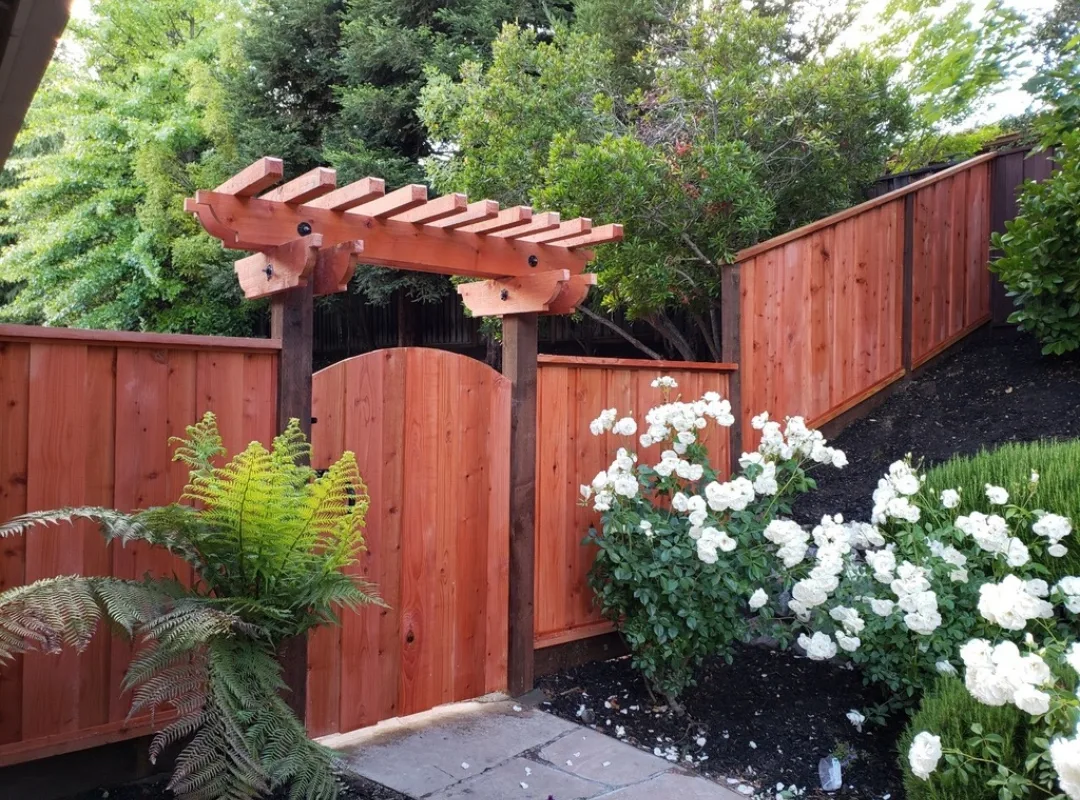
Whatever you install, secure it before you plant. Stakes should be set deep enough to resist pulling under load, and any trellis connected to a wall or fence should use hardware rated for the surface type.
What Are Common Trellis Building Mistakes

What's Right for Your Garden?

At FCR Fence & Deck, we work with homeowners every season who want to add vertical interest, improve their landscaping, or find a structure that will actually protect their plants through a full growth cycle. The right garden trellis comes down to what you’re growing, where you’re putting it, and how long you need it to last.
A lightweight wire panel works for sweet peas and pole beans. A powder-coated metal trellis handles cucumbers and tomatoes without question. Cattle panels are the answer for butternut squash or any situation where you need real structural weight capacity. Ready to find the right trellis for your garden? Contact us today to schedule a consultation and discuss your specific needs.

Frequently Asked Questions

A standard lightweight or wire garden trellis typically supports 10–50 lbs. A heavy-duty powder-coated metal trellis can support 100–130 lbs. Cattle panels, properly anchored with rebar or conduit posts, hold 220 lbs or more. The actual capacity depends on the material, anchoring method, and the surface to which the trellis is attached.

It can, but with caveats. A sturdy cedar or redwood trellis with deep-set stakes can handle tomatoes and cucumbers through one or two seasons. Over time, wood exposed to soil moisture and weather will soften and lose structural integrity. For these crops, season after season, a metal trellis is a more reliable option.

Drive metal stakes, rebar, or conduit posts at least 12 inches into the soil. Space posts 5 to 6 feet apart and add a center post for wider panels. Attaching the trellis to an existing fence or wall provides additional stability and distributes load more effectively than ground-only anchoring.

Yes, for heavy crops like butternut squash and winter squash. Cattle panels are built from heavy-gauge galvanized steel, resist rust and rot, and hold significantly more weight than wood or wire mesh panels.

A minimum of five to six feet. Both crops are vigorous climbers; cucumbers, especially, will reach the top of a shorter structure by midsummer and run out of vertical space right when they’re most productive. Taller is nearly always the better choice.