Best Wood for Long-Lasting Garden Trellises
Garden trellises come in many designs and styles. Some people choose simple vertical frames, some prefer decorative arches or heavy-duty structures that support climbing plants. Trellises play a quiet but powerful role. They help you use vertical space wisely and bring structure to your outdoor projects. But here is something many people overlook. The type of wood you choose decides how long your trellis will last. We explore the best wood for long-lasting garden trellises and explain how to choose the right one for your garden. Keep reading!
Retaining Wall Drainage Requirements
Trellis Construction FCR Fence & Deck

Why Wood Choice Matters in Trellis Construction

A trellis supports climbing plants like pole beans, climbing roses, and flowering vines. It also shapes the layout of your garden. When you build a trellis, you expose wood to constant sunlight, rain, and soil moisture. That combination can cause decay, warping, and even insect damage.
Wood sits at the center of durability. If you pick the wrong material, fungi and bugs will slowly break it down. If you pick the right one, your structure stays strong for years with minimal maintenance. Good trellis wood should stay stable and handle outdoor weather without losing its strength.

Cedar: The Classic Outdoor Favorite

Cedar stands at the top of the list for garden trellises. It contains natural oils that resist rot and insects. This makes it one of the most naturally rot-resistant woods available in the building industry.
Cedar performs well in vertical gardening setups where climbing plants create constant shade and moisture buildup. It handles air circulation better than many dense woods, which reduces decay risk.
It also looks beautiful. The natural grain blends well with garden design, whether you build an arbor, gated-fence, or a freestanding trellis. Many gardeners prefer cedar because it does not need heavy chemical treatment. You can leave it untreated for a rustic look or apply a stain for extra protection.
Fence and Retaining Wall Contractors Near Me

Redwood: Strong, Stable, & Naturally Durable

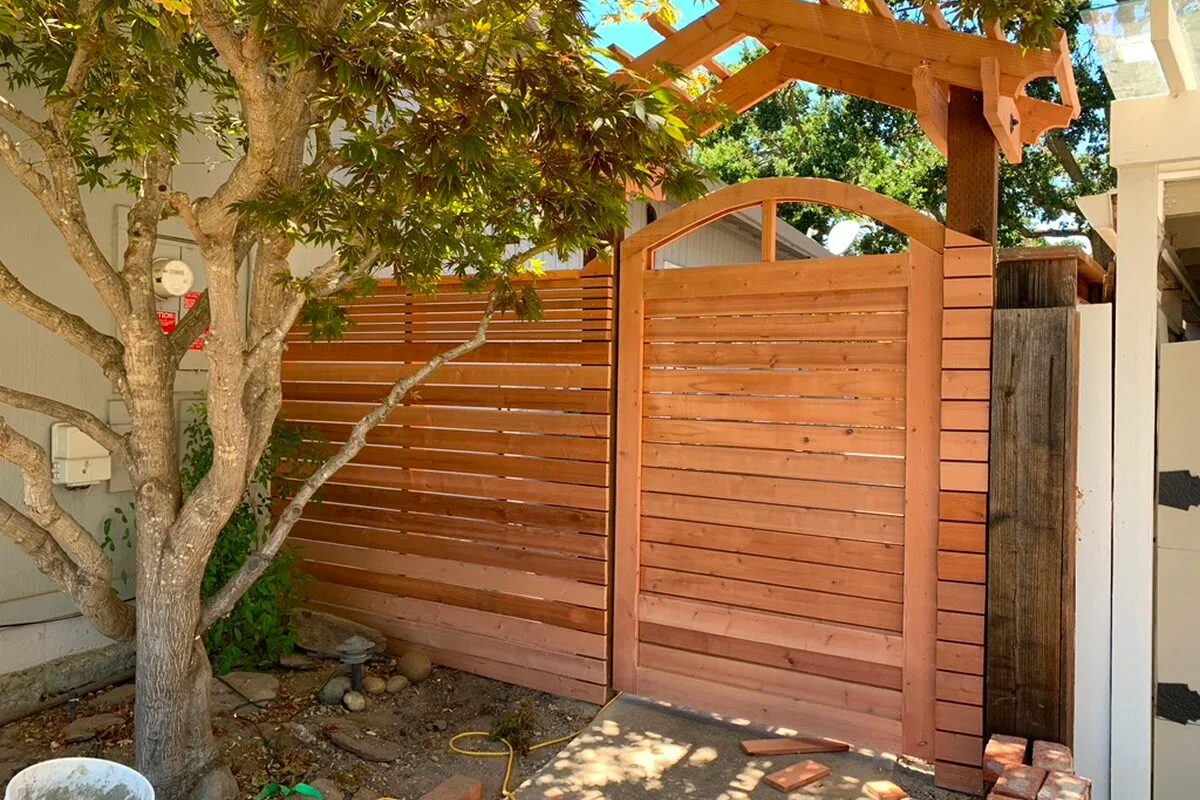
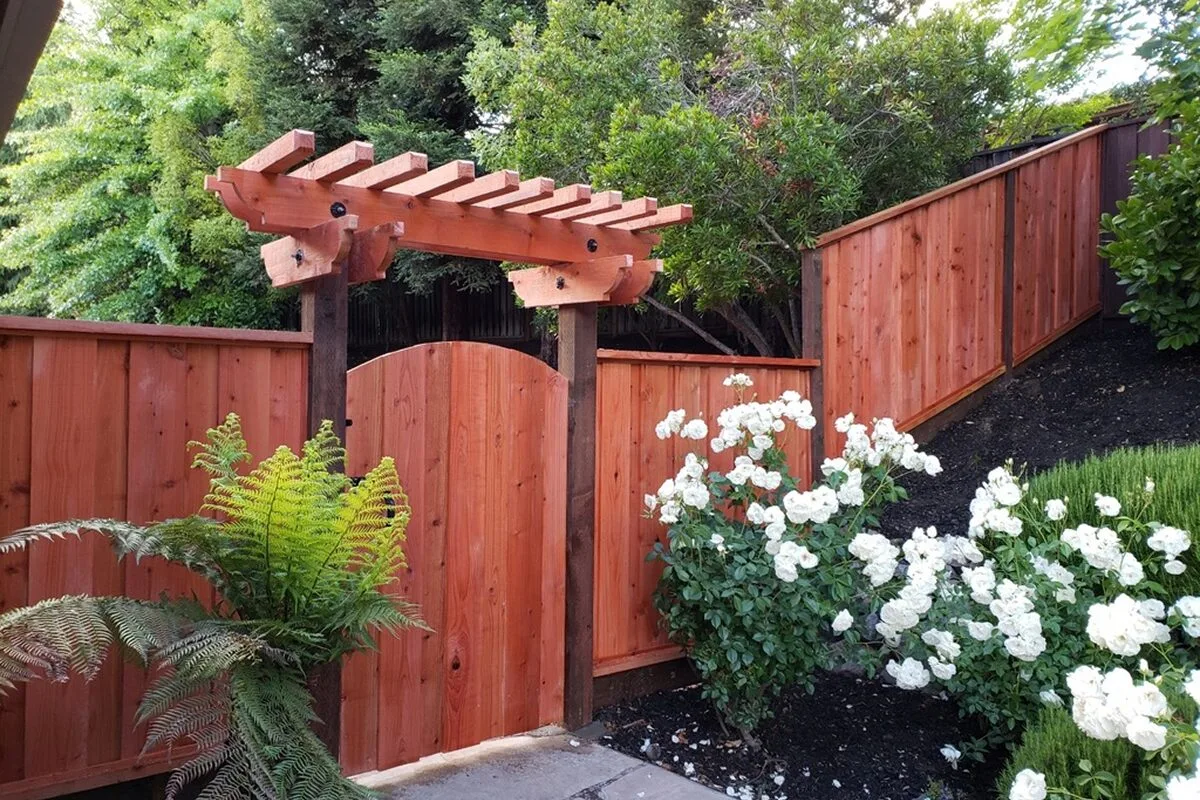
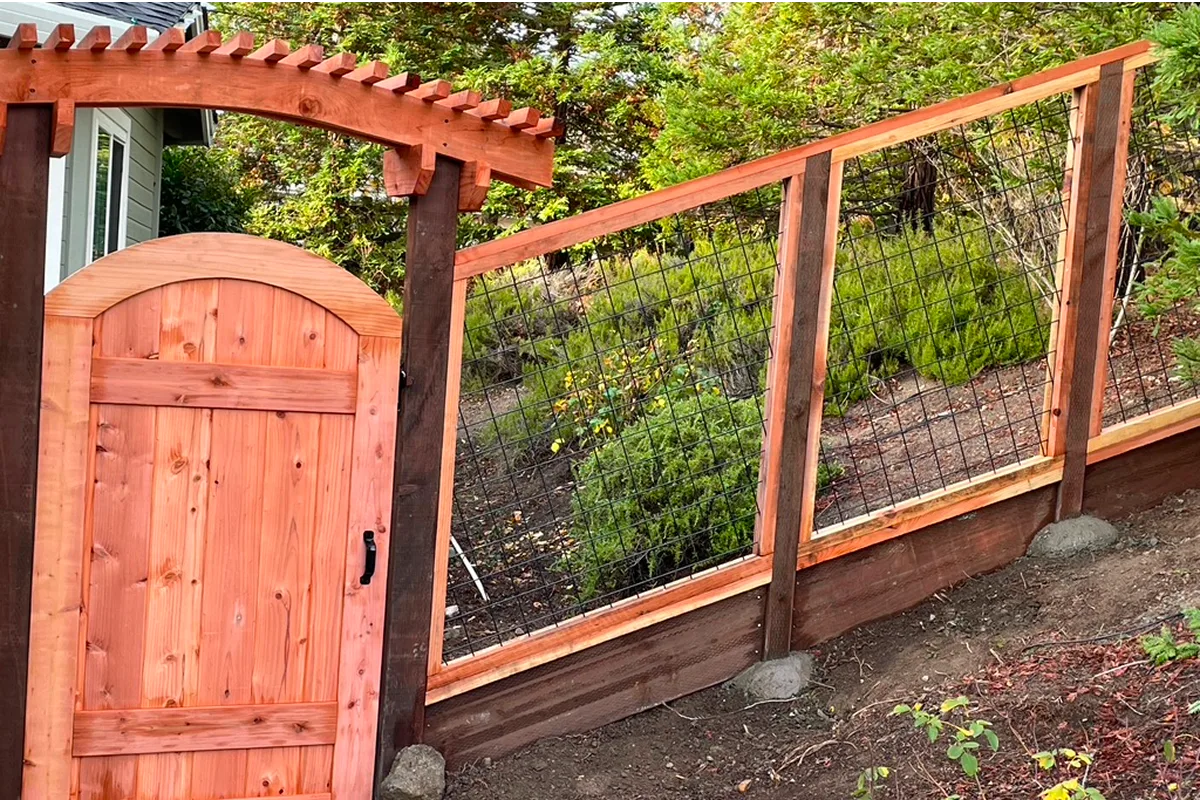
Redwood delivers strength and elegance in one package. It resists decay, fungi, and insects naturally. This makes it ideal for long-term outdoor use. Redwood works especially well in areas with high moisture in the ground or frequent rain exposure. It holds its form and does not easily crack or warp.
Many landscapers use redwood for pergola structures and trellis systems that support heavy vines like squash or climbing roses. It offers both beauty and a long lifespan. However, redwood can cost more than other lumber options. Still, many homeowners see it as a smart investment because their fence lasts decades with proper care.

Cypress: Reliable & Weather-Resistant

Cypress offers a strong balance between cost and durability. It contains natural oils that protect it from wood rot and insects. This gives it a solid reputation for outdoor projects. Cypress handles soil contact better than many softwoods. That makes it a good option for trellises that start near the ground and rise upward.
It also fits well in simple garden layouts or decorative vertical gardening setups. Cypress supports vegetables, vines, and flowers without bending under pressure. If you want a practical choice that performs well in different climates, cypress deserves attention.

Douglas Fir: Strong but Needs Protection

Douglas fir is widely available in the lumber market and is often used in construction. It offers strength and straight grain, which makes it easy to work with. However, it does not naturally resist rot. You must seal it properly if you want it to last outdoors. Without protection, moisture will cause decay over time.
When sealed or painted, Douglas fir becomes a cost-effective choice for garden trellises. It works well for temporary or semi-permanent structures where you control exposure to weather. It also suits larger frames, especially when you want to create vertical support for heavy vines.

Pressure Treated Lumber: Budget-Friendly Durability

Pressure-treated lumber uses chemicals to resist insects, fungi, and rot. It gives you strong protection in wet conditions and soil contact. This type of wood works well for gardeners who want durability without high cost. It handles ground moisture and outdoor weather better than untreated pine or fir.
However, you should plan carefully when using it for edible gardens. Some people avoid it near vegetables like pole beans due to chemical treatment concerns. Still, it remains a practical option for fences, trellis frames, and outdoor structures where strength matters more than natural appearance.

Teak and Ipe: Premium Hardwoods for Long Life

Teak and ipe belong to the hardwood category used in high-end outdoor trellis construction. These woods resist rot, insects, and weather damage at a very high level. Teak contains natural oils that protect it from moisture and cracking. Ipe, often called ironwood, ranks among the densest woods in the world. It handles heavy vines, sunlight, and rain without losing shape.
These materials work best for permanent trellis systems or pergola-style structures. They cost more, but they last for decades with little maintenance. If you want a trellis that stands strong like a rock, these hardwoods deliver unmatched longevity.
Professional Deck Builder Martinez

Pine: Affordable but Requires Careful Treatment

Pine offers an affordable option, but it needs proper sealing. Without protection, it absorbs moisture and starts decaying quickly. In garden trellis construction, pine works best for short-term use or decorative frames. You can extend wood lifespan with paint, stain, or chemical treatment.
It supports light climbing plants and small vines, but it struggles with heavy vegetation or constant soil exposure. Think of pine as a starting point rather than a long-term solution.

Choosing the Right Wood for Your Garden Trellis

Selecting the right wood depends on your garden plan, location, and plant types. Ask yourself a few simple questions:

  • Will your trellis stay close to the soil or be raised above ground?
  • Do you grow heavy vines like squash or light flowers?
  • Do you want a natural look or a painted finish?
  • How much maintenance can you handle?
For long life, cedar and redwood lead the way. For budget builds, pressure-treated lumber or Douglas fir can work with proper sealing. For premium results, teak or ipe stands unmatched. Your garden trellis should support plants and also blend into your landscape. It should create visual interest without becoming a burden to maintain.

Build Your Trellis with Purpose & Plan Ahead

A well-built trellis does more than hold climbing plants. It shapes your garden’s structure and improves air circulation, sunlight exposure, and space usage. It allows climbing roses and vegetables like pole beans to reach their full potential. When you choose materials wisely, your trellis becomes part of your garden for years, not seasons. Good planning always pays off in outdoor projects.

Trellises that Justify Under Pressure at FCR Fence & Deck

A garden trellis carries weight and faces constant exposure to moisture, sun, and soil conditions. Choosing the wrong wood can lead to early rot and constant repairs that disrupt your entire garden design. At FCR Fence & Deck, we help you select and build trellises using naturally rot-resistant options like cedar and pressure-treated lumber that handle outdoor conditions and support healthy plant growth. 
Our work also extends to custom fences, decks, and outdoor structures, giving your entire landscape a unified, durable finish that stands strong season after season. If you want a custom trellis that supports growth instead of breaking down with it, contact us today. 

Frequently Asked Questions

Here are some common questions homeowners ask when planning garden structures, fences, and outdoor woodwork with FCR Fence & Deck in Martinez, CA, and surrounding areas.

Yes. FCR Fence & Deck designs and builds custom outdoor structures, including trellises, fences, and garden frameworks for homeowners in Martinez, Alamo, Danville, Moraga, and Walnut Creek.

FCR Fence & Deck often recommends cedar, redwood, and pressure-treated lumber depending on your garden layout, plant type, and exposure to moisture and sunlight.

Yes. The team can match your trellis style with your existing fence, deck, or pergola so your outdoor space looks consistent and well planned.

FCR Fence & Deck uses quality lumber selection, proper sealing, and construction methods that reduce moisture buildup and protect against decay, fungi, and insect damage.

Yes. The company handles everything from small trellis installations to full outdoor landscape structures across Martinez, Walnut Creek, Danville, Alamo, and Moraga.