



What Are the Best Climbing Plants for Wooden Trellises?
Why Choose Climbing Plants for a Wooden Trellis?
Climbing plants are a natural fit for fences and trellises. They soften hard structures, create shade, and can even help define areas in your garden. Some practical benefits:
- Improve the property’s curb appeal
- Add privacy without building a solid wall
- Attract pollinators like bees and hummingbirds
- Create a year-round structure when using evergreen vine options
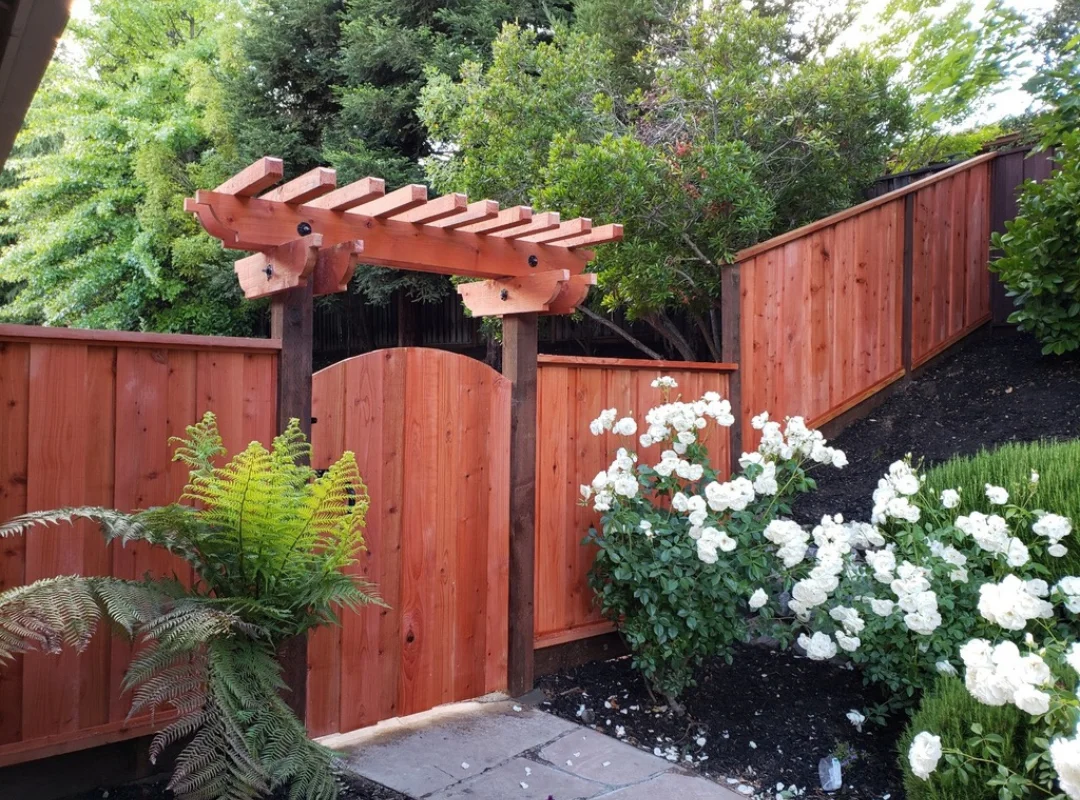
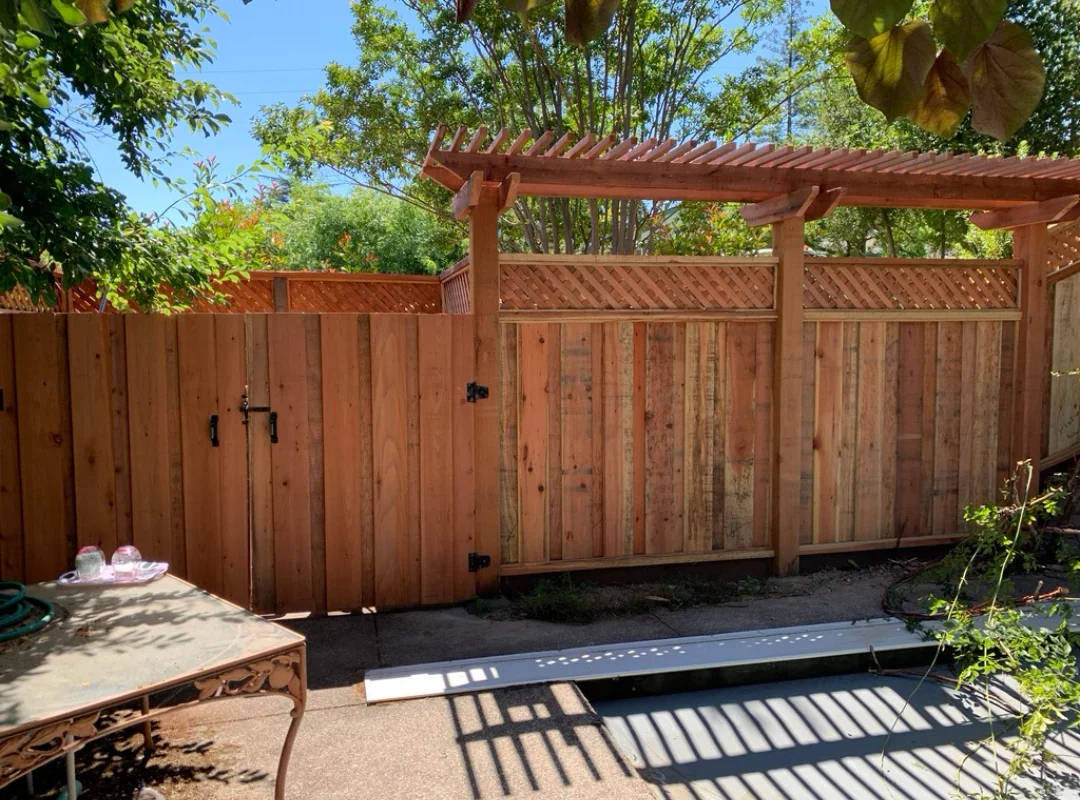
At FCR Fence & Deck, we often see homeowners pair trellises with fences to enhance both function and visual appeal. When done right, it ties the whole outdoor space together. Trellises can also improve privacy in creative ways, which is explored further in trellis ideas for privacy vs backyard solutions.
What Makes a Plant Suitable for Wooden Trellises?
Look for climbing plants that:
- Grow well in your USDA zones
- Match your sunlight conditions (full sun, partial shade, or part shade)
- Have manageable growth habits
- Won’t damage wood with overly aggressive aerial roots
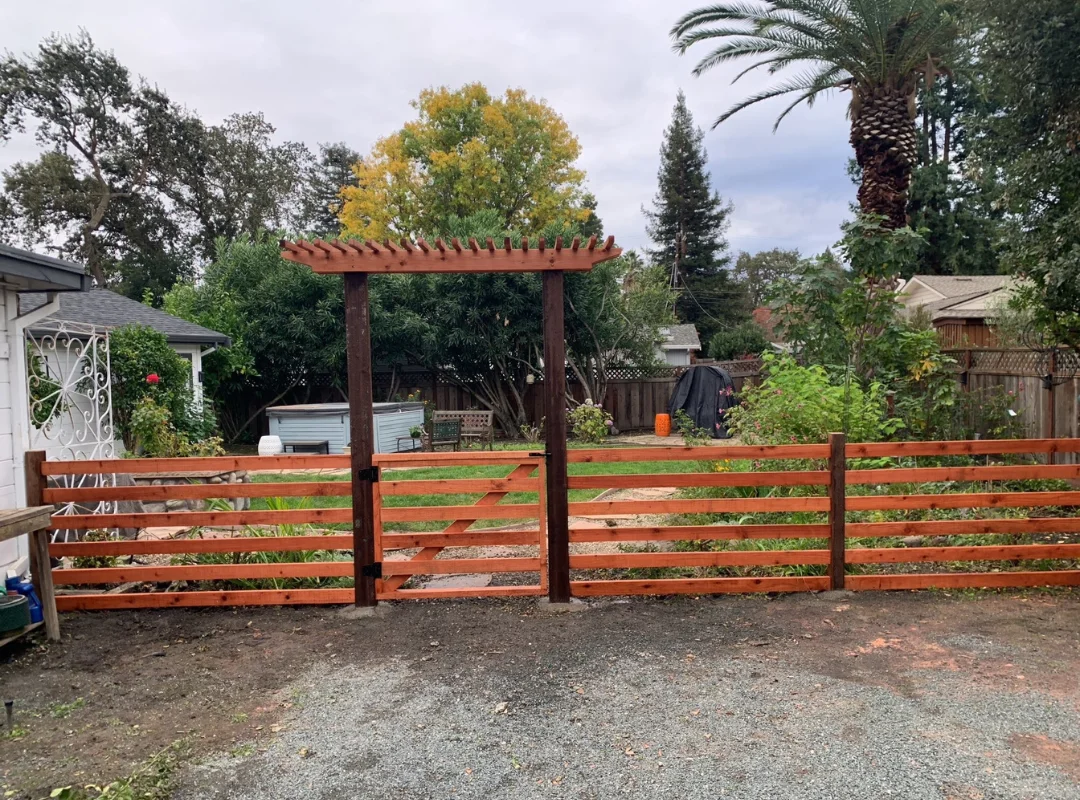
Also, make sure your trellis is sturdy enough. Fast-growing vines like wisteria or trumpet vine can get heavy in just a few years. Understanding structure strength is just as important, especially when comparing setups like trellis ideas, garden, and fence screens.
Which Flowering Vines Work Best on Trellises?
If you’re after color and fragrance, flowering vines are the way to go.
Top Flowering Options
- Clematis (including purple clematis): A favorite for its wide variety and long bloom season. Works well in the morning sun with afternoon shade.
- Climbing roses: Classic choice with beautiful flowers and strong visual impact. Needs regular pruning and support.
- Morning glory: Fast-growing annual vines with vibrant blooms during the growing season.
- Black eyed susan vine: Great for warmer climates, produces bright, cheerful flowers.
What Are the Fastest-Growing Climbing Plants?
Fast Growing Options
- Wisteria (wisteria sinensis, wisteria floribunda, American wisteria): A vigorous grower with stunning blooms. Needs strong support and regular pruning.
- Trumpet vine: Produces bold trumpet-shaped flowers and grows quickly. Very hardy and drought-tolerant.
- Virginia creeper (including Chinese Virginia creeper): Rapid growth and great for covering large areas.
Are Evergreen Vines a Good Choice for Year-Round Coverage?
Best Evergreen and Semi-Evergreen Vines
- Star jasmine: Known for its sweet fragrance and glossy foliage. Works well in full sun to part shade.
- English ivy (Hedera helix): A popular evergreen vine, but needs control to prevent overgrowth.
- Carolina jessamine: Bright yellow trumpet-shaped flowers, and good for mild winters.
- Boston ivy: Technically semi-evergreen, but offers dense coverage and great fall color.
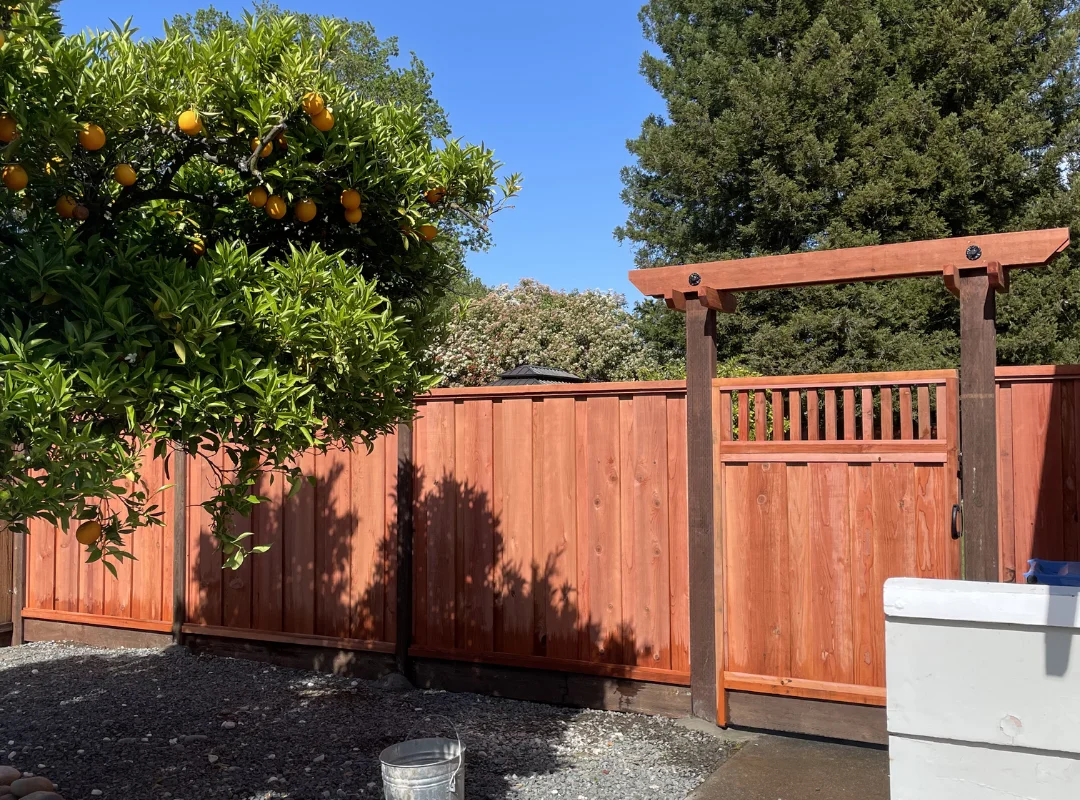
What Are the Best Timber-Friendly Vines?
Safer Choices for Wooden Trellises
- Clematis
- Star jasmine
- Climbing roses
- Native honeysuckle
How Do You Match Plants to Your Climate?
The U.S. has a wide range of climates, so what works in California may not work in colder regions.
- Warmer climates: Star jasmine, trumpet vine, and black-eyed susan vine thrive
- Cold climates: Climbing hydrangea, clematis, and native vine options perform better
- Mild winters: Evergreen climbers like Carolina jessamine hold up well
How Much Maintenance Do Climbing Plants Need?
Basic Maintenance Tips
- Regular pruning to control growth
- Training vines along the trellis early
- Checking for pests or disease-resistant varieties
- Watering based on soil conditions and climate
Can You Install a Trellis & Plants Yourself?
A poorly installed trellis can:
- Collapse under the weight of a vigorous grower
- Damage nearby fencing
- Shift over time due to soil movement
If your trellis is attached to a fence or part of a larger outdoor project, it’s worth getting it installed properly.
At FCR Fence & Deck, we help homeowners design and install fences and outdoor structures that can actually support long-term plant growth. It saves a lot of trouble down the line.
How Do You Design a Trellis for Long-Term Success?
- Leave enough room for growth.
- Choose materials that handle moisture well.
- Position for proper sunlight (morning sun vs afternoon shade)
- Avoid overcrowding multiple vigorous vines
A well-planned setup ensures your climbing vine reaches full bloom without damaging the structure. For nighttime aesthetics and improved visibility, consider adding lighting to your fence design to highlight your trellis and climbing plants beautifully.
Conclusion: Right Climbing Plant Makes All the Difference
The best climbing plants for wooden trellises depend on your climate, space, and how much maintenance you’re willing to do.
Flowering vines like clematis and climbing roses bring color. Evergreen options like star jasmine provide year-round coverage. Fast growers like wisteria and trumpet vine deliver quick results but require more control.
In the end, it’s about balance: beauty, structure, and long-term durability.
Need Help With Your Outdoor Structure? Contact FCR Fence & Deck
If you’re planning to add a trellis or upgrade your fencing, we can help. At FCR Fence & Deck, we design and install arbor and trellises and outdoor structures built to last and support features like climbing plants.
We are proud to serve Alamo, Martinez, Oakland, Walnut Creek, and others in the San Francisco Bay Area.
As licensed fence and deck contractors and builders in California, we also offer fencing and gates, wood and composite decking, custom iron fabrication, retaining walls, staining and restoration, and chain link fencing.
Contact us at (925) 269-4202 for a free estimate, or visit our office at 111 Arthur Rd. Martinez, CA 94553.
FAQs
Below, we’ve addressed some frequently asked questions about the best plants for trellises.
Q: What is the best plant to climb a trellis?
A: Clematis is one of the best options due to its versatility, long bloom period, and manageable growth.
Q: What plants grow best on a trellis?
A: Climbing roses, star jasmine, morning glory, and wisteria are popular choices depending on climate and sunlight.
Q: What types of vines are timber-friendly?
A: Clematis, star jasmine, and native honeysuckle are generally safer for wooden trellises when maintained properly.
Q: What is the fastest-growing plant for a trellis?
A: Wisteria and trumpet vine are among the fastest growing, but they require strong support and regular pruning.
Q: Does FCR Fence & Deck build fences and structures in Danville, CA?
A: Yes, FCR Fence & Deck provides professional fence and deck installation in Danville, CA. Call (925) 269-4202 to get started.