Best Wood Fences For Humid Climates

Building a wood fence in areas with high humidity can feel like walking a tightrope. One wrong material choice, and moisture starts to take over. We will break down the best wood fences for humid climates and how different climates affect wood. We will look at humid and wet climates, dry climates, and even areas with intense sun exposure. You will learn how wood behaves and what makes certain fence materials last longer. We will cover everything you need, so keep reading if you want a fence that stands strong year after year.
Retaining Wall Drainage Requirements
Custom Arbor Construction

Why Humidity Changes Everything for Wood Fences

Humidity adds constant moisture to the air. That moisture seeps into wood and weakens it over time. In humid climates, wood expands, contracts, and slowly breaks down. This cycle leads to cracks, warping, and even early failure.
Many homeowners notice issues like rot and insects much faster in humid environments. Moisture creates the perfect condition for decay and insect activity. A fence that works well in dry climates may fail quickly in wet climates. You need the right material if you want your fence to maintain its structural integrity. The right wood type resists rot, handles moisture, and withstands harsh weather conditions without constant repairs.

Pressure Treated Pine for Fencing

Pressure-treated pine remains one of the most popular fence materials for humid areas. Manufacturers treat this wood with chemical preservatives that protect it from moisture damage, rot, and insects.
This type of pressure-treated wood works well for fence posts and ground contact applications. It holds up against heavy rainfall and high humidity. Builders often choose it for its balance of cost and durability.
However, pressure-treated wood needs proper fence maintenance. You must seal and stain it regularly to protect it from UV damage and moisture. Without care, it can crack under intense sun exposure. If you want a durable choice that balances cost and performance, pressure-treated pine delivers solid results.
Retaining Walls FCR Fence & Deck

Western Red Cedar as Fence Wood

Western red cedar stands out for its natural beauty and strong performance in humid climates. This wood contains natural oils that help it resist rot, insects, and moisture.
A cedar fence offers a natural look that many homeowners love. It features a straight grain and a rich color that enhances visual appeal. Over time, cedar can weather naturally and turn into a beautiful silver gray if left untreated. Cedar provides natural durability and requires less maintenance than many other wood types. It does not require painting, but regular staining helps extend its expected fence lifespan.
If you want a wood fence that combines aesthetic appeal with natural resistance, cedar makes a strong case.

Premium Strength of Redwood Fences

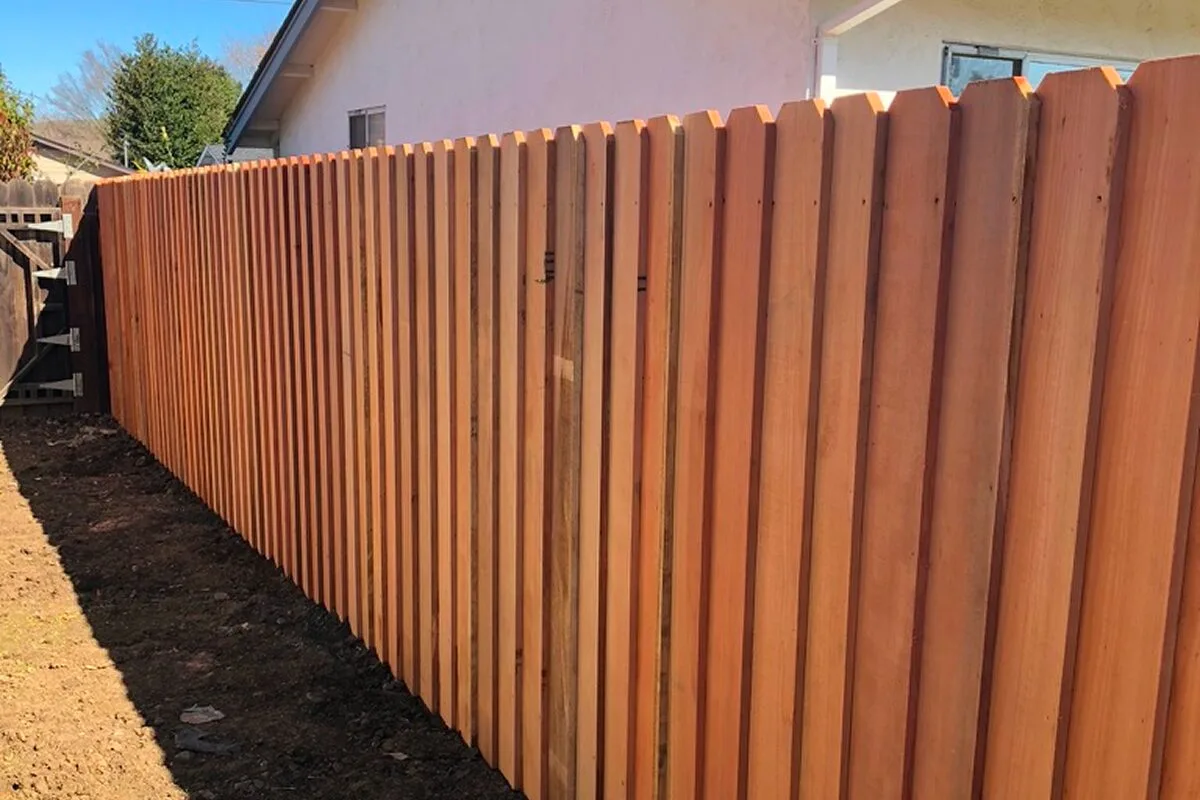
Heartwood redwood offers exceptional durability and high resistance to moisture. It performs well in humid and wet climates, especially in regions like the Pacific Northwest. This wood resists rot and insects due to its natural compounds. It also provides excellent dimensional stability, which means it does not warp easily under changing moisture levels.
Redwood carries a higher price tag, but it delivers long-term value. Its rich color and smooth texture add a high-end finish to any privacy fence or outdoor space. If the budget allows, redwood stands as one of the best wood options for humid areas.

Comparing Wood with Other Fence Materials

Wood remains a top choice, but other materials like vinyl fencing and composite fencing also compete in humid environments. Vinyl fencing offers minimal maintenance and resists moisture completely. It does not rot, warp, or attract insects. However, it lacks the natural look of wood.
Composite fencing blends wood fibers with plastic. It handles moisture well and requires less maintenance than traditional wood. It also fits modern aesthetics but may not deliver the same warmth as natural wood. Wood still wins when it comes to natural beauty and visual appeal. However, homeowners must commit to proper maintenance to protect it from moisture damage.

Choosing the Right Wood Type for Your Climate

Some areas deal with salt air, while others face heavy rainfall or high winds. Your fence depends on your local climate conditions. In coastal regions, salt air can break down untreated wood quickly. In areas with high humidity and heavy rainfall, moisture becomes the main threat. In places with intense sun exposure, UV rays cause fading and cracking.
You must choose a wood type that matches your environment. Cedar and redwood work well in humid areas. Pressure-treated pine works better where cost matters, but still needs protection. The right material ensures your wood fence can last longer.

The Role of Proper Installation in Humid Environments

Even the best wood can fail without proper installation. Fence posts must handle ground contact and moisture exposure. Installers should use pressure-treated wood for fence posts. This step prevents rot at the base, where moisture stays the longest. Proper drainage around the fence also helps reduce moisture buildup.
Spacing between boards allows airflow. Good airflow helps the wood dry faster and reduces moisture retention. A well-installed fence performs better and lasts longer, even in humid environments.
Wood Deck Construction Martinez CA

Maintenance: The Key to Long-Term Performance

No wood fence survives without proper maintenance. Humid climates demand regular care to prevent moisture damage. You should inspect your fence at least once a year. Look for signs of rot, cracks, or insect activity. Clean the surface to remove dirt and mildew.
Regular staining or sealing protects the wood from moisture and UV rays. This step slows down wear and extends the expected lifespan. Some wood types require frequent maintenance, while others need less attention. Cedar and redwood need less upkeep than pressure-treated pine, but all wood fences benefit from consistent care.

Best Applications for Wood Fences in Humid Areas

Wood fences work well for many outdoor uses, even in humid climates. Many homeowners choose them for privacy fence designs due to their solid structure and natural look.
They also work well for pool enclosures, where moisture stays high. In these cases, choosing the right wood type becomes even more important. Wood adapts to various climates and design styles. It fits both traditional and modern aesthetics while maintaining strong performance when properly treated. 

Making the Right Choice for Your Fence

Choosing the best wood fences for humid climates comes down to understanding your environment and your needs. You must consider moisture levels, maintenance requirements, and long-term durability.
Pressure-treated pine offers a cost-effective solution. Western red cedar provides natural resistance and beauty. Redwood delivers premium strength and longevity. Each option has its strengths. The right fence depends on your budget, design goals, and how much maintenance you can handle.
When you choose wisely, your wood fence will stand strong and maintain its visual appeal, even in high humidity.

Fence Wood That Survives Humidity at FCR Fence & Deck

Humidity attacks wooden fences from every angle. Constant moisture leads to rot, warping, mold growth, and weak joints, especially when the wrong wood gets used. FCR Fence & Deck builds fences using proven materials for humid conditions like cedar, cypress, redwood, and pressure-treated lumber, all known for their natural resistance to rot and moisture damage. 
We also design and install custom wood fences and outdoor structures that hold up against weather changes while keeping your property looking clean and structured. If you want a fence that lasts beyond the seasons instead of fighting them, contact us today.

Frequently Asked Questions

If you still have questions, you are not alone. Here are some common questions homeowners ask when working with FCR Fence & Deck in Martinez, CA, Alamo, Danville, Moraga, and Walnut Creek:

FCR Fence & Deck often recommends cedar fence or pressure-treated wood for humid areas in Martinez. These materials handle moisture well and offer strong resistance to rot and insects.

Yes, the team offers options like western red cedar and composite fencing for homeowners who want less maintenance while still keeping a clean and attractive look.

FCR Fence & Deck suggests regular maintenance once a year. This includes cleaning, sealing, and checking for moisture damage to extend the fence’s lifespan.

Absolutely. FCR Fence & Deck evaluates local climate conditions and recommends the right material based on moisture levels, sun exposure, and design preferences.

Yes, we use properly treated materials and proven installation methods. This approach helps fences withstand harsh weather conditions, including high humidity and heavy rainfall.