



What Is the Best Time of Year to Install a Fence?
Early fall is the best time of year to install a fence for most homeowners, with late spring a close second. Fall brings cooler temperatures, firm soil, and lower seasonal demand, so that fence contractors can fit your project in sooner.
Here’s the quick verdict by season:
- Spring: Mild temperatures, but rain and mud can delay digging.
- Summer: Consistent weather and long days, but high demand and higher prices.
- Fall: Dry weather, stable ground, and easier scheduling.
- Winter: Off-season discounts, but frozen ground and slow-curing concrete in colder regions.
This guide helps you plan your privacy fence, wood fence installation, or chain-link upgrade so you can build it right the first time.
Why Season Matters for Fence Installation
Seasonal factors include weather, soil conditions, and contractor availability. Each season brings distinct advantages and challenges, and your local climate determines which works best.
Ground conditions come first:
- Stable post holes need soil that’s neither saturated nor rock-hard.
- Concrete footings also require the right weather conditions.
Temperatures between 50°F and 80°F help concrete cure properly, while heavy rain can weaken the concrete around fence posts.
Mild temperatures benefit both the crew and the fence materials. Temperatures between 50°F and 70°F provide comfortable working conditions, so the fence installation goes more smoothly.
Fence Installation in Spring
Spring is the most popular season for fence installation. It brings moderate temperatures suited to outdoor physical labor, and winter moisture leaves the soil softer and easier to work.
The downside is water. Spring often brings muddy, saturated ground that complicates digging, and wet conditions can delay fence installation. In the East Bay, the rainy season usually runs through March, so early-spring storms can delay fence installation. But late spring brings drier weather, making scheduling much more reliable.
Summer Months
Summer is the busiest season for fence contractors. Fencing installation peaks in spring and summer due to high demand. Summer offers predictable working conditions and long daylight hours for longer work windows. As a result, installations often move faster once they start.
During dry spells, ground can become parched and rock-hard, especially in the clay soils common across Contra Costa County. Extreme heat can also dry concrete too quickly and cause it to crack. Inland cities like Concord and Brentwood regularly top 90°F in July and August.
Fall Season is Ideal Time for Your Fence Project
Fall offers cooler temperatures and stable soil, making it an ideal time for installation. Early fall brings dry conditions and stable soil before the November rains begin.
Installing in autumn also protects your landscaping: while plants along the fence line may get trampled during construction, the yard gets all winter to recover before spring growth.
Winter for Off-Season Savings
Contractors are available during the winter months, allowing installations to be completed more quickly. Some contractors offer off-season discounts, making winter a more budget-friendly choice.
Winter can be difficult in northern regions, where frozen ground and snow complicate digging. Post holes must extend below the frost line to prevent frost heave, and freezing temperatures can compromise footing integrity. Cold temperatures also slow concrete curing, so contractors use cold-weather procedures to help it cure properly.
In the East Bay, frozen ground is rare, so that fence work can happen year-round. Rain is the bigger issue, since most of the region’s rainfall arrives between November and March. Early winter, before the heaviest storms, is often a good window.
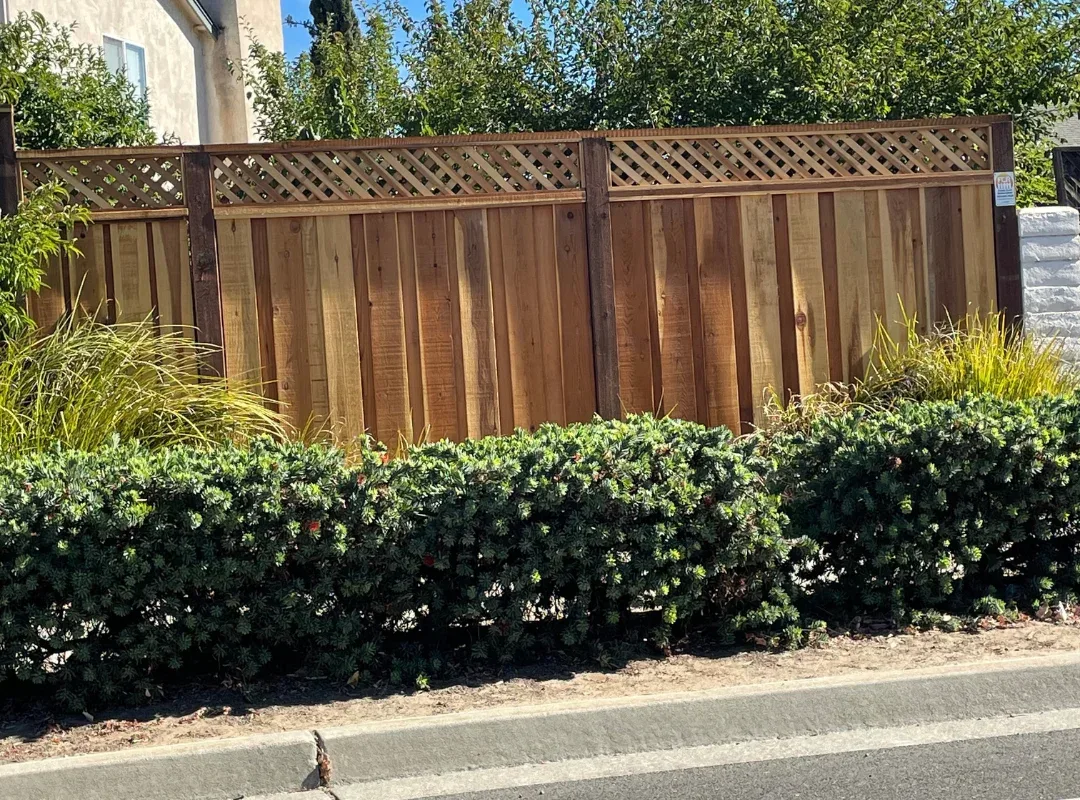
Fence Materials & Weather
Your choice of fencing materials also affects your timing, as each material responds differently to heat, cold, and moisture.
RedWood
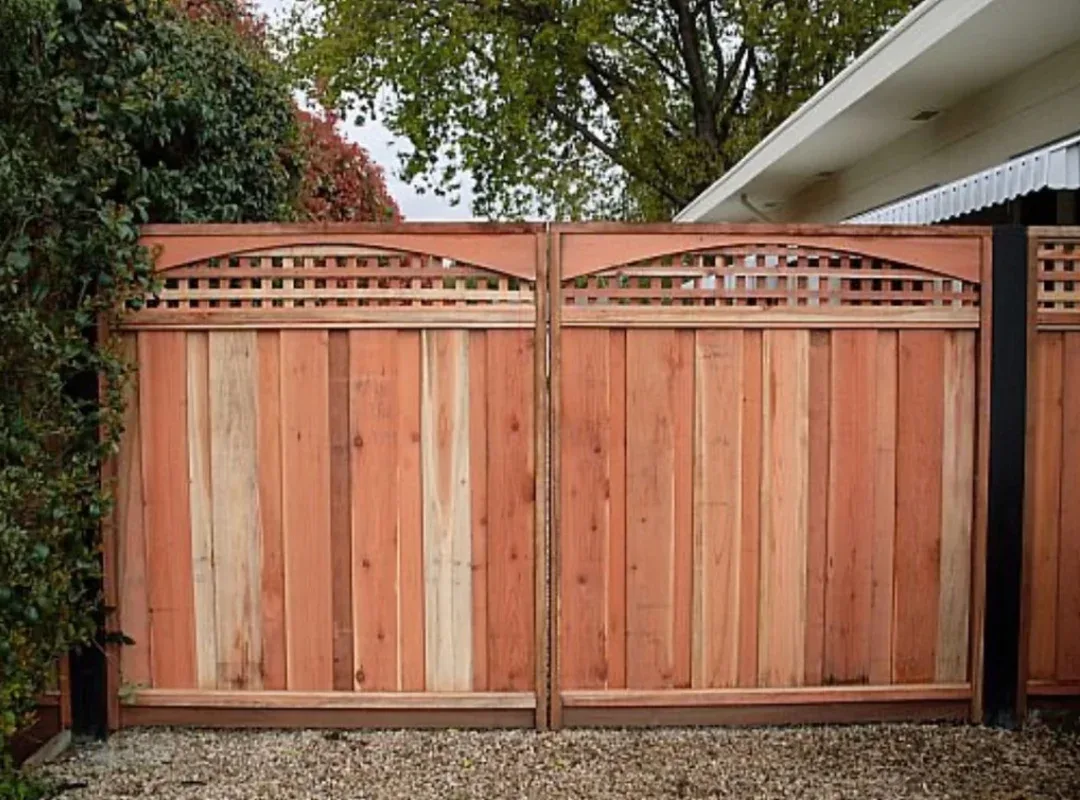
Redwood fences perform best when installed in moderate temperatures, when boards aren’t swelling with moisture or shrinking in the heat. New boards also need to be dry before staining.
Chain Link
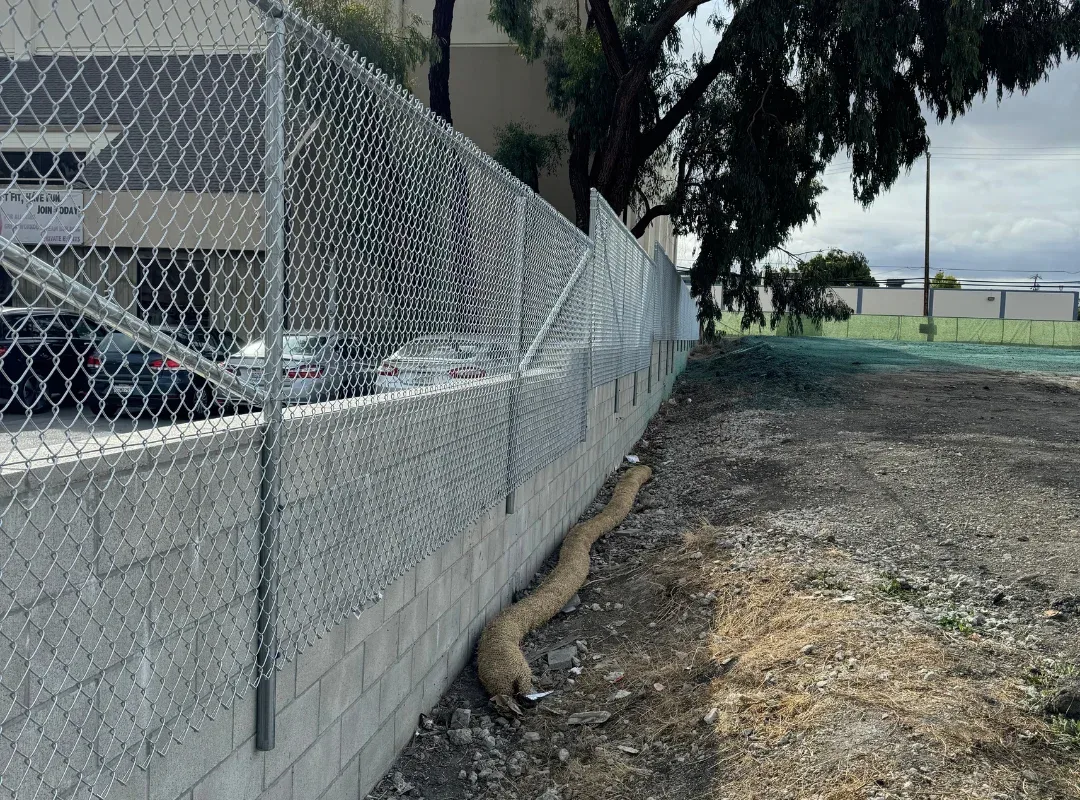
Chain link is the most weather-tolerant option, but its posts still need properly cured concrete, so avoid heavy rain and extreme heat.
Permits & HOAs When Installing Fences
HOA or permit approvals can significantly delay the timeline. Permits can take weeks, so plan before your fence installation project. In California, fences over 7 feet generally need a building permit, and many cities cap front-yard fences at lower heights.
Confirm your property line and HOA rules during planning, and call 811 to mark utilities before any digging.
Plan Your Fence with FCR Fence & Deck
FCR Fence & Deck is a licensed, bonded, and insured contractor (Lic. #962764) serving Martinez and the East Bay. Our team installs redwood fences, chain-link fencing, and custom iron gates, with professional installation scheduled around your yard and local weather conditions.
Want a privacy fence built before summer, or off-season savings this winter? Request a free estimate today. Call (925) 655-7528 or email office@fcrfenceanddeck.com.
Frequently Asked Questions
1. Is 2 feet deep enough for fence posts?
Usually not for taller fences. Most fence installers set posts about one-third of their length into the ground. So a 6-foot privacy fence on an 8- to 9-foot post needs holes 2.5 to 3 feet deep. In cold regions, posts must also extend below the frost line, whichever is deeper.
2. What are common fencing mistakes to avoid?
Skipping a property survey, ignoring HOA rules, setting posts too shallow, and pouring concrete in heavy rain. Failing to call 811 before digging can also damage utility lines and delay your project.
3. How many days does it take to install a fence?
Most fences take one to three days to install once materials arrive. Concrete footings need 24 to 72 hours to cure. Permits or larger custom projects can also add to the timeline.
4. What is the maximum distance between fence posts?
Most wood fence space posts are no more than 8 feet apart. Chain links can usually stretch up to 10 feet between posts, though gates and corners need extra support.
5. Should fence posts be set in concrete or dirt?
FCR sets every fence post in concrete. Concrete holds posts steady in the clay soils common throughout Contra Costa County, where gravel and dirt allow posts to shift over time.