



What Are the Best Fence Styles for Dogs Safety?
If you’ve got a small dog, you already know that they can be quick, curious, and surprisingly good at finding ways out. Choosing the right fence isn’t just about looks, but also about safety, security, and giving your furry friend a space where they can move freely without risk. We usually tell dog owners this: the best fence styles for small dogs come down to two things: no escape routes and no weak points. Let’s break it down practically so you can make the right fence choice for your yard.
Why Do Small Dogs Need Special Fencing?
Small dogs aren’t just smaller versions of large dogs; they behave differently. Many small breeds are natural escape artists. They squeeze through fence gaps, dig under fence lines, or even climb certain types of fence material. Unlike larger dogs, the issue isn’t always fence height, but mostly spacing and security. A proper dog fence should:
- Prevent squeezing through gaps
- Stop digging under the fence
- Reduce visual triggers from other dogs
- Create a safe, enclosed space
At FCR Fence & Deck, we always look at both the dog’s behavior and the yard layout before recommending a fence style. To better understand your options, review different types of fencing materials to choose a structure for durability and safety.
What Fence Features Matter Most for Small Dogs?
Key Features to Look For
- Tight spacing: Wide gaps are the biggest risk for small breeds
- Solid bottom edge: Prevents digging and escape
- Durable fence material: Needs to handle wear and tear
- Secure gates: Self-closing hinges and proper latches are essential
Are Wood Fences a Good Option for Pets Safety?
Why Wood Fences Work
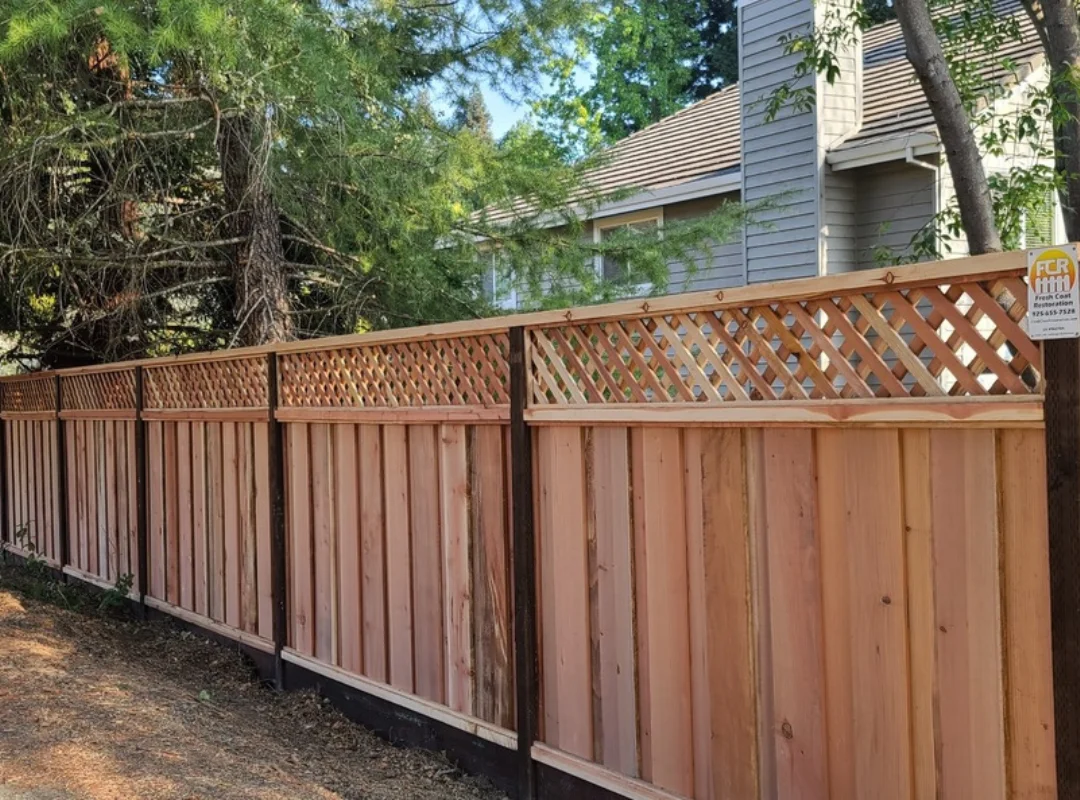
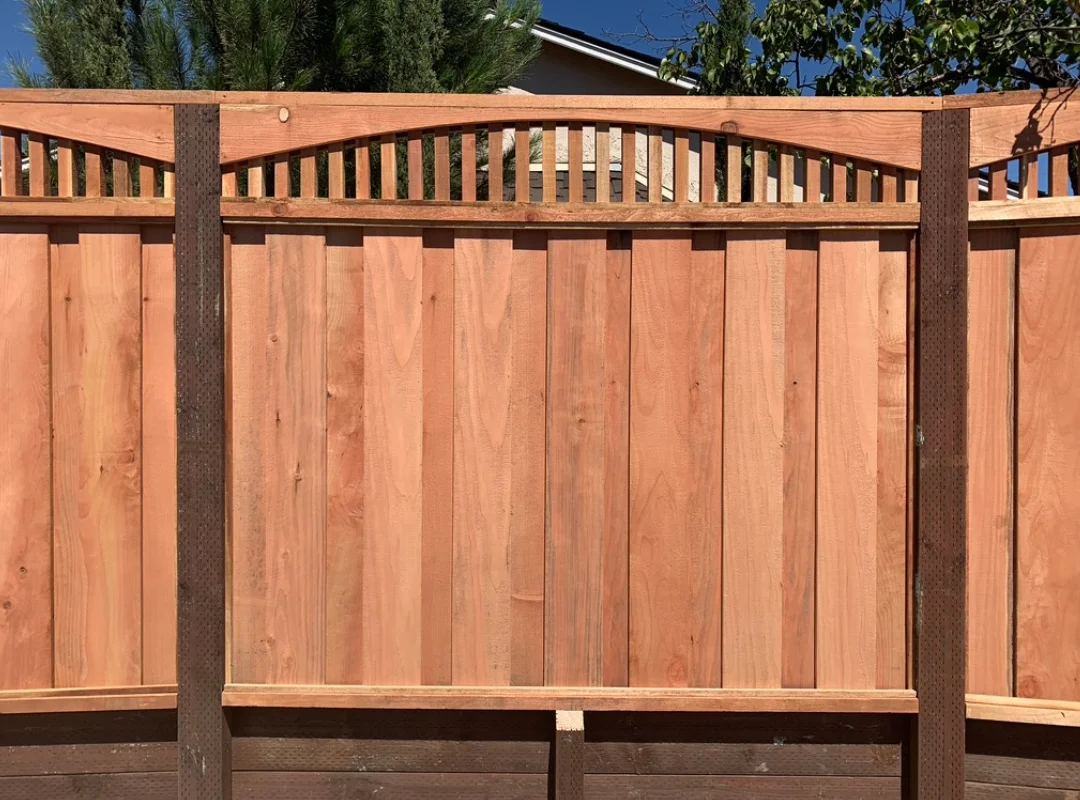
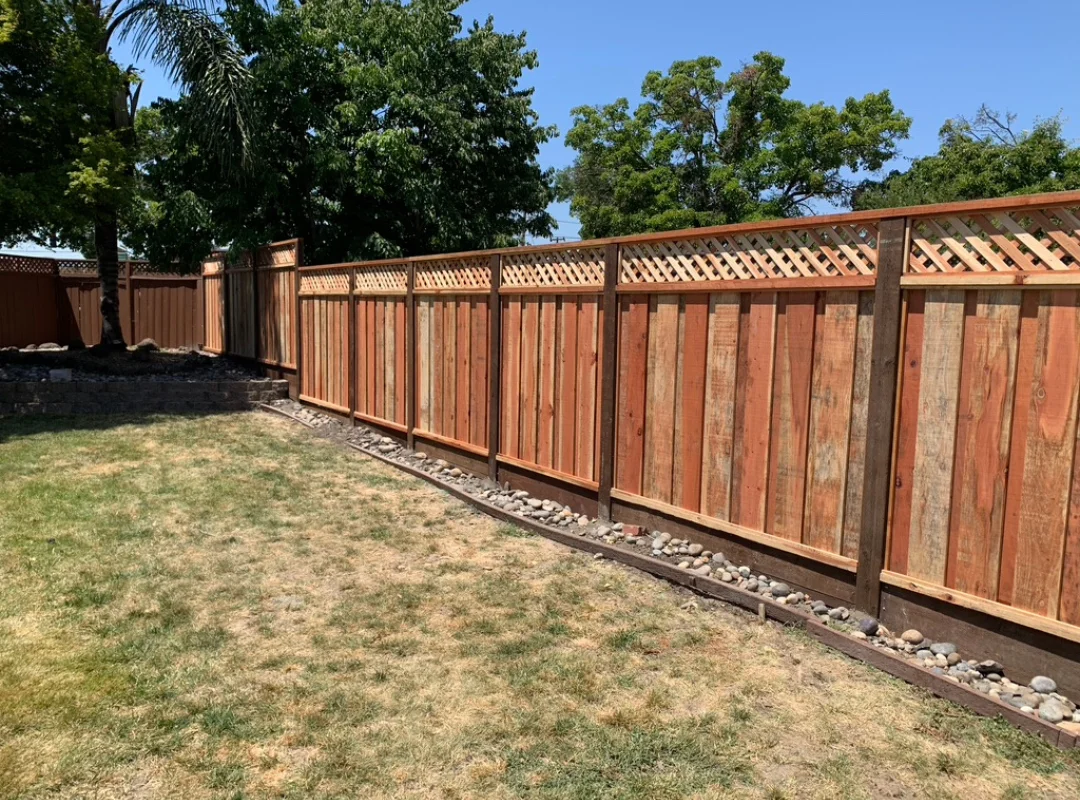
- Can be built as a solid fence with no gaps
- Offers a strong visual barrier to reduce distractions
- Customizable fence height and design
- Blends well with most homes’ aesthetic
If you’re comparing options, this guide on how long a wood fence lasts can help you evaluate long-term durability before committing. A wooden privacy fence is often the best choice for dogs that get distracted by visual stimuli. It keeps them calmer and less likely to try to escape.
Things to Watch
- Wood fences require maintenance over time
- Poor installation can leave gaps near the ground
FCR Fence & Deck builds wood fences with tight spacing and proper ground clearance to keep small dogs secure. Exploring modern composite deck designs can also give you ideas on pairing fencing with other low-maintenance outdoor features.
Chain Link Fences for Small Dogs Safety
Pros of Chain Link
- Cost effective
- Strong and long-lasting
- Quick installation
Cons for Small Dogs
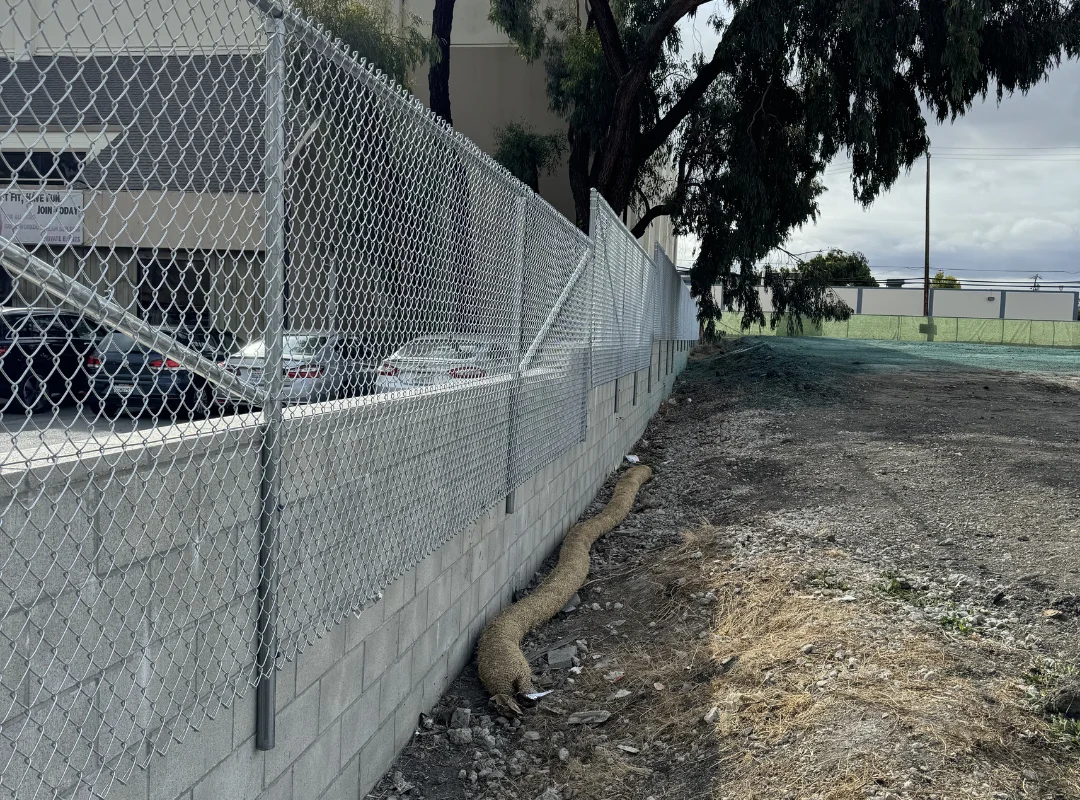
- Open design provides no visual barrier
- Small dogs may squeeze through if the spacing is too wide
- Some dogs may try to climb
If you go with chain link, consider:
- Adding mesh to reduce fence gaps
- Installing a bottom barrier to prevent digging
Chain link can work, but it usually needs modifications to be truly pet-friendly.
What About Wrought Iron Fences?
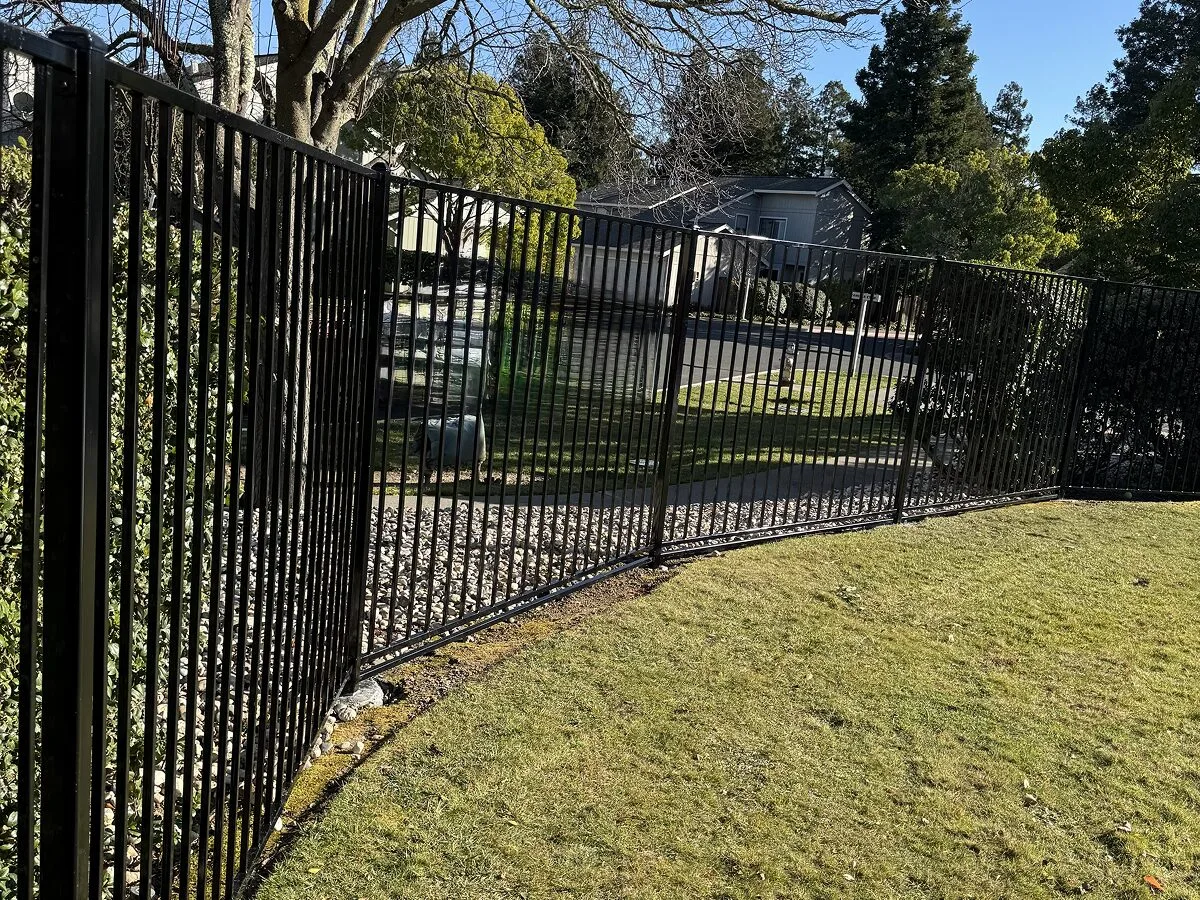
- Vertical pickets often have wide gaps
- No solid barrier for visual triggers
- Small breeds can slip through
These fence styles are better suited for larger dogs. For small dogs, these fences typically require additional backing or mesh to be secure. If you still prefer metal fencing, reviewing wrought iron fence maintenance tips can help you keep it safe and structurally sound over time.
Should You Consider Invisible Dog Fences?
- Rely on shock collars, which are not all dog owners are comfortable with
- Don’t physically prevent other dogs from entering
- Not ideal for highly active or stubborn dogs
What Is the Best Fence Height for Small Dogs?
- 3 to 4 feet: Enough for most small breeds
- Higher if needed: For athletic dogs that can jump
More important than height is the absence of gaps and secure construction.
How Do You Pet-Proof a Fence Properly?
Even the best fence style needs a few finishing touches.
- Check for gaps along the bottom
- Reinforce weak fence posts
- Install secure gates with proper latches
- Add barriers where digging is likely
If your dog tends to dig, consider extending the fence slightly below ground or adding a barrier at the base. We always include these details during fence installation to ensure long-term safety.
Should You DIY or Hire a Professional?
- Gaps forming over time
- Loose fence posts
- Weak points that dogs can break through
A well-planned professional deck maintenance checklist mindset can also apply to fences, helping you regularly inspect and prevent issues before they become serious. For something as important as your pet’s safety, professional installation is often the better route. FCR Fence & Deck focuses on building fences that are secure, durable, and built for real-life use, not just appearance.
Which Fence Style Is the Best Overall?
- Best overall: Solid wood fences
- Best budget option: Modified chain link with added mesh
- Best for aesthetics: Well-designed wood fences
The right fence depends on your yard, your dog’s behavior, and your priorities, whether that’s cost, maintenance, or appearance.
Conclusion: Safety First, Style Second
Choosing the best fence styles for small dogs isn’t just about design, but about creating a secure, reliable space for your pet.
Solid fences with tight spacing, durable materials, and proper installation will always outperform anything with gaps or weak points. Whether you go with wood or another fence type, the goal is simple: keep your dog safe and your yard secure.
Need Help Building a Pet-Friendly Fence? Call FCR Fence & Deck Now!
If you’re planning a new dog fence, we’re here to help. At FCR Fence & Deck, we design and install fences that balance safety, durability, and curb appeal. We are proud to serve Alamo, Martinez, Oakland, Walnut Creek, and others in the San Francisco Bay Area.
As licensed fence and deck contractors and builders in California, we also offer wood and composite decking, arbor and trellis, custom iron fabrication, retaining walls, staining and restoration, and chain link fencing.
Contact us at (925) 655-7528 for a free estimate, or visit our office at 111 Arthur Rd. Martinez, CA 94553.
FAQs
Q: What type of fence is best for a dog?
A: A solid fence, like wood, with tight spacing, is best for most dogs, especially small breeds.
Q: How to pet-proof a fence?
A: Eliminate gaps, secure the bottom, reinforce posts, and ensure gates are properly latched.
Q: What is the best fence system for dogs?
A: Physical fences like wood are more reliable than invisible dog fences for safety and security.
Q: What is the best fence for animals?
A: It depends on the animal, but for dogs, a secure, durable fence with no gaps is the best option.
Q: Does FCR Fence & Deck install fences in Martinez, CA?
A: Yes, FCR Fence & Deck provides professional fencing services in Martinez, Alamo, and other areas in the San Francisco Bay Area. Call (925) 655-7528 to get started.