Should You Seal The Underside of Deck Boards
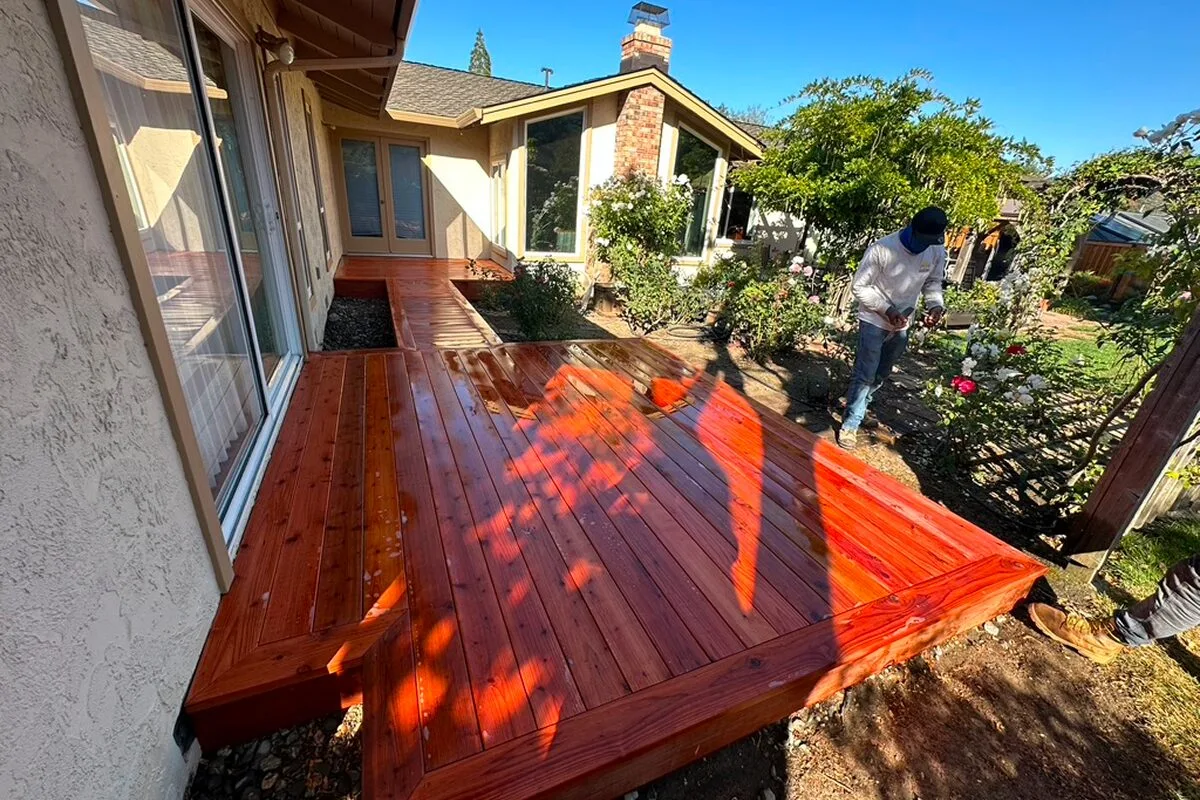
When builders install deck boards during construction, they often focus on sealing the top side. That makes sense because the top takes direct sun, rain, and foot traffic. But many homeowners start wondering later: should you seal the underside of deck boards as well? This question comes up often, especially after a new deck installation or when maintaining an existing deck. We will break it all down. We will also explain how sealing affects durability and long-term performance. So keep reading!
Retaining Wall Drainage Requirements
Picture Frame Fencing

What Happens to Deck Boards Over Time?

Your deck faces constant exposure. Sunlight beats down on the top side. Rain, snow, and debris settle into gaps between boards. Moisture moves through the wood from both directions. The deck floor expands and contracts with weather changes. This movement creates stress in the boards. Over time, that stress can lead to cracks or even wood rot.
The underside or bottom side of the boards often stays out of sight. Still, it plays a major role. Moisture rises from the ground and gets trapped underneath elevated decks, which can cause mold growth on the decks. Poor airflow can make things worse. If the boards cannot breathe, mildew and rot can take hold. Many homeowners ignore this hidden area. That decision can shorten the life of the entire structure.

Should You Seal the Underside of Deck Boards?

Here is the straight answer: yes, in many cases, you should seal the deck’s underside.
Sealing the underside helps control moisture. Wood absorbs water from all directions. If you only seal the top side, the bottom side may still pull in moisture. That imbalance can cause warping or cupping. A proper sealer creates a barrier. It slows water absorption and helps the boards stay stable. This approach works best during construction or when you install a new deck.
For an existing deck, the answer depends on access. If you can reach the underside, sealing adds an extra layer of protection. If access feels limited, focus on improving airflow and drainage instead. Deck maintenance addresses all such concerns, ensuring a better deck lifespan.
Retaining Walls FCR Fence & Deck

Why Moisture Control Matters More Than Anything

Moisture drives most deck problems. It leads to swelling, cracking, and rot. When water sits underneath the deck, it creates a damp environment. This condition encourages mildew growth. It also weakens the wood fibers over time.
Sealing helps the boards resist water. It also reduces how fast they absorb moisture during rain or snow. This slows down damage and extends the lifespan of your deck. Think of sealing as a shield. It does not make wood waterproof, but it improves resistance. That difference can save you from costly repairs later. 

Best Materials for Sealing the Underside

Not all products work the same. You need the right type of finish for the job.
A penetrating wood stain works best for most wood decks. It sinks into the fibers and protects from within. This type of stain allows the wood to breathe while still blocking moisture. An oil-based stain offers strong durability. It handles harsh weather conditions well. Many professionals prefer it for cedar and redwood decks because it adds natural beauty and improves resistance to rot.
Avoid using thick paint on the underside. Paint forms a hard barrier. It can trap moisture inside the wood, which leads to peeling and damage. If you use composite deck boards, you usually do not need sealing. Composite materials resist moisture by design. Still, always check manufacturer guidelines before making a decision.

When Sealing Makes the Most Sense

Timing matters. The best time to seal the underside is during installation. When builders install a new deck, they can easily access all sides of the boards. This allows even coverage and better results.

For an existing deck, sealing works well if:

  • You have clear access underneath
  • The boards show early signs of wear
  • The area holds moisture or lacks airflow
If your deck sits low to the ground, sealing becomes more important. Limited air circulation increases the risk of damage.

Step-by-Step: How to Seal the Underside Properly

You do not need complex tools to get the job done. You just need the right process.

Clean the Surface

Remove dirt, dust, and debris. Use a brush or wipe with a damp rag. Clean wood absorbs stain better.

Let the Wood Dry

Wait until the boards dry fully. Moisture inside the wood can affect how the sealer performs.

Apply the Sealer

Use a roller, brush, or spraying tool. Apply a thin, even coat. Avoid heavy layers that can drip.

Watch for Drips

Check for drips and smooth them out quickly. This keeps the finish clean and even.

Allow Proper Dry Time

Follow product instructions. Let the boards sit and cure before exposure to heavy moisture.
This process helps create a strong, long-lasting wooden deck.
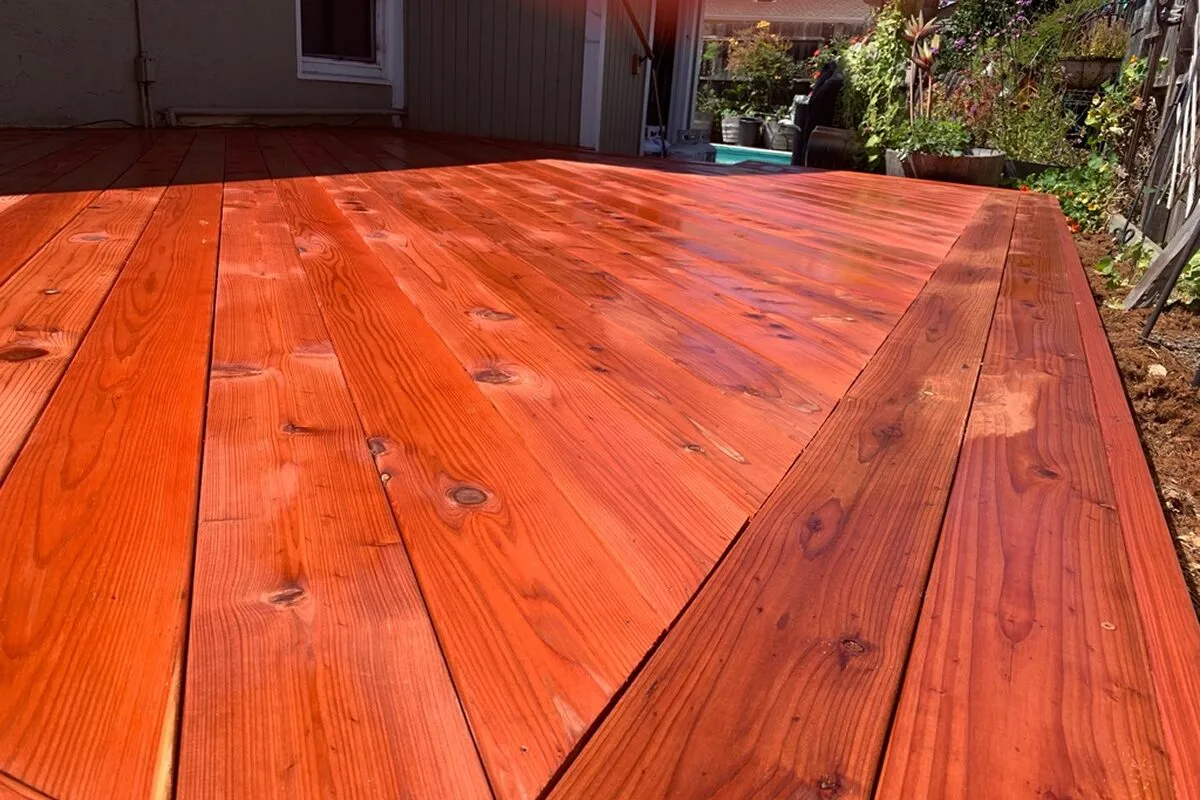
Wooden Deck Restoration Martinez

Common Mistakes Homeowners Should Avoid

Many homeowners jump into sealing without a clear plan. That can lead to poor results.

  • Sealing only one side improperly
    If you seal the top but ignore airflow below, you may trap moisture.
  • Using the wrong product
    Thick coatings like paint can peel and fail.
  • Skipping cleaning
    Dirt blocks absorption and reduces effectiveness.
  • Rushing the process
    Applying stain to damp wood leads to weak coverage.
Take your time. A careful approach always pays off.

Does Sealing Affect the Look of Your Deck?

Yes, but mostly on the visible side.
The top side controls the overall appearance. That is where color and finish stand out. The bottom side does not impact how your patio looks.
Still, sealing underneath helps maintain the structure. It prevents uneven aging between sides. A composite wooden deck requires maintenance, which keeps the deck looking better over time.

Airflow Still Plays a Key Role

Sealing alone cannot fix everything. Your deck needs proper airflow.
Open gaps between boards to allow water to drain. Space under the deck lets air move freely. This helps the wood dry faster.
Check your joists and beams as well. These parts also face moisture exposure. Keeping them dry supports the entire structure.
If airflow feels limited, consider adding ventilation or adjusting the layout. A well-ventilated deck lasts longer.

Is Sealing Deck Boards Worth the Effort?

Yes, sealing the underside adds value when done correctly.
It improves moisture control, reduces the risk of wood rot, and supports long-term durability. It works best during construction, but it still helps with many existing setups. Think of it as an extra step that protects your investment. You already put time and money into your deck. A little more effort can extend its life for years.

Protect Your Deck From the Ground Up with FCR Fence & Deck

Moisture doesn’t just attack the top of your deck; it rises from below. Moisture slowly affects the underside of your deck boards, where rot and decay often begin unnoticed. Ignoring this area can shorten the life of your entire structure, even if the surface looks perfectly maintained. 
FCR Fence & Deck builds and maintains decks with long-term durability in mind, including proper sealing techniques that help protect wood from trapped moisture and ground-level humidity. We also handle deck repairs, new installations, and structural upgrades, ensuring every layer of your deck is built to withstand real outdoor conditions. If you want your deck to last beyond the seasons, contact us today.

Frequently Asked Questions

Homeowners often have a few more questions before making a decision. Here are answers tailored to common concerns in your area.

Yes, FCR Fence & Deck often recommends it, especially for homes in Martinez where moisture and seasonal weather changes affect deck performance.

Yes, they handle both new and existing decks. If your deck has enough access underneath, our team can apply a proper sealer and improve protection.

They usually use high-quality penetrating or oil-based stain products. These options work well with wood types like cedar and redwood and provide lasting protection.

If you notice moisture buildup, mildew, or early signs of rot, your deck may need sealing. FCR Fence & Deck can inspect your structure and give a clear answer based on its condition.

Yes, it helps control moisture and reduces damage over time. When combined with proper maintenance, sealing can extend the lifespan of your deck significantly.