



Horizontal vs Vertical Fence Design Pros and Cons
If you’re planning a new fence, one of the first decisions you’ll face is simple on the surface but important in the long run: horizontal vs. vertical fence design. We get this question all the time. And honestly, there’s no one-size-fits-all answer. It depends on your space, your budget, and what you want the fence to do: provide privacy, enhance curb appeal, or both. Let’s understand the details.
What's the Difference Between Horizontal & Vertical Fences?
At the most basic level, it comes down to how the fence boards are installed.
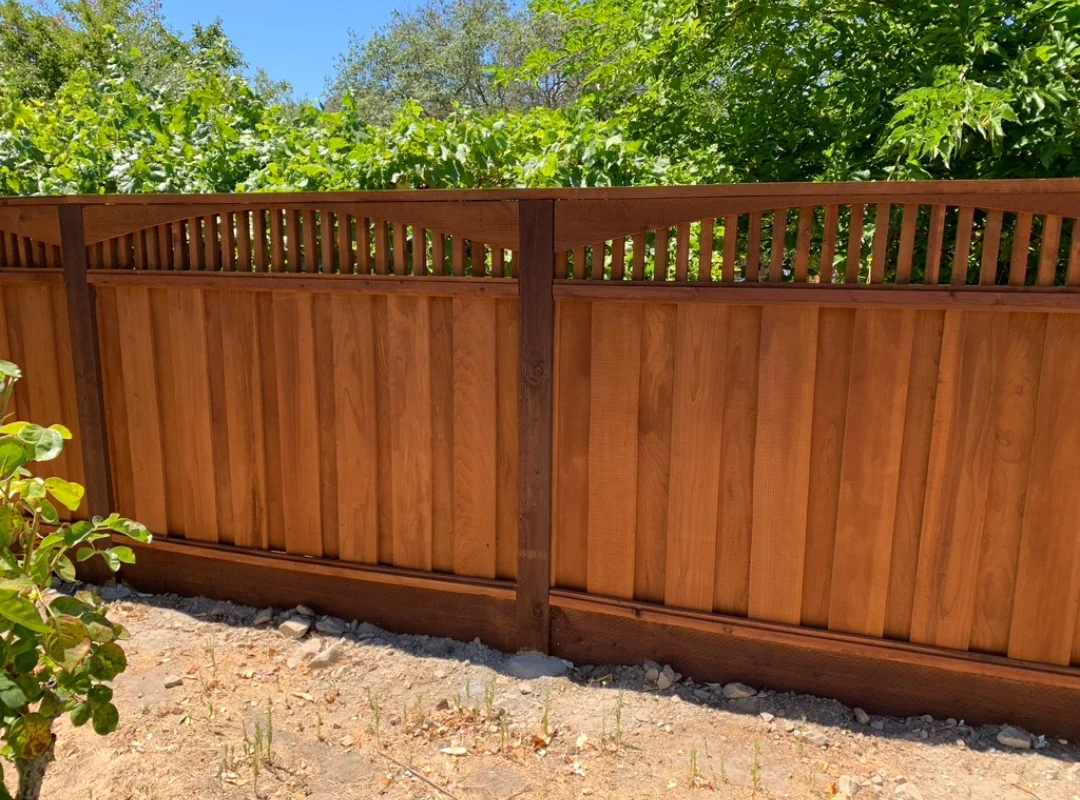
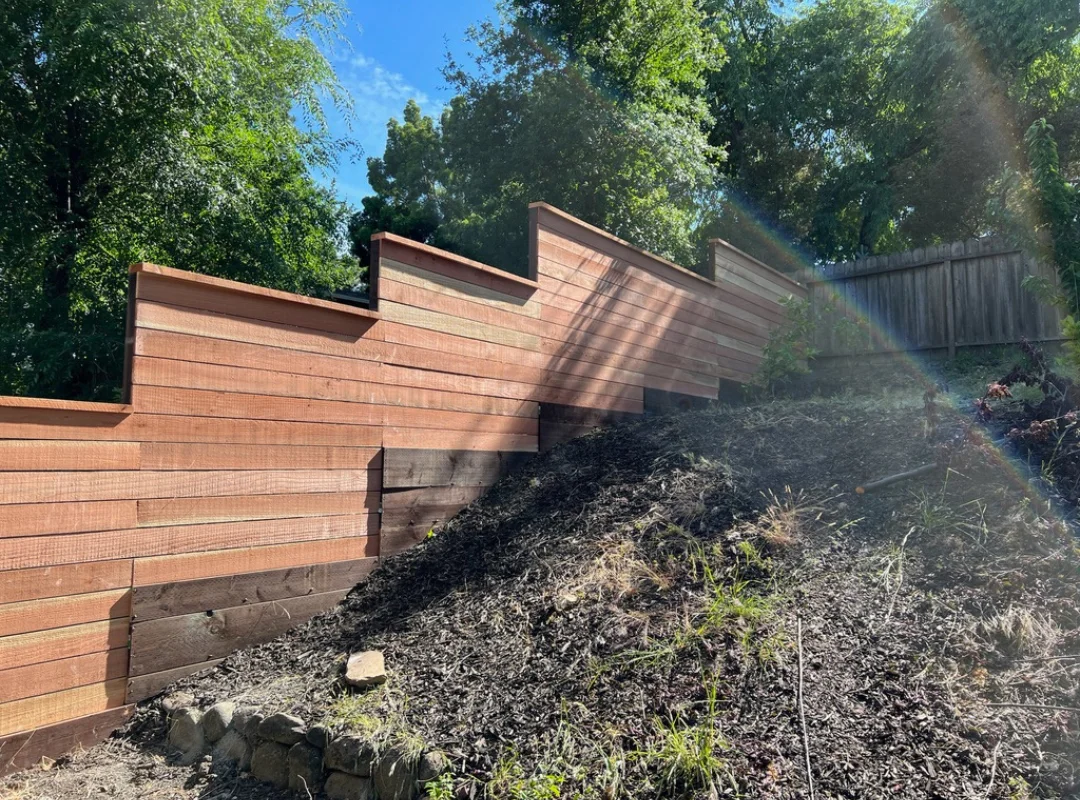
- Vertical fences use upright fence boards attached to horizontal stringers. This is the traditional setup you see in most neighborhoods. It also helps to understand the basic distinction between a gate and a fence when planning your layout.
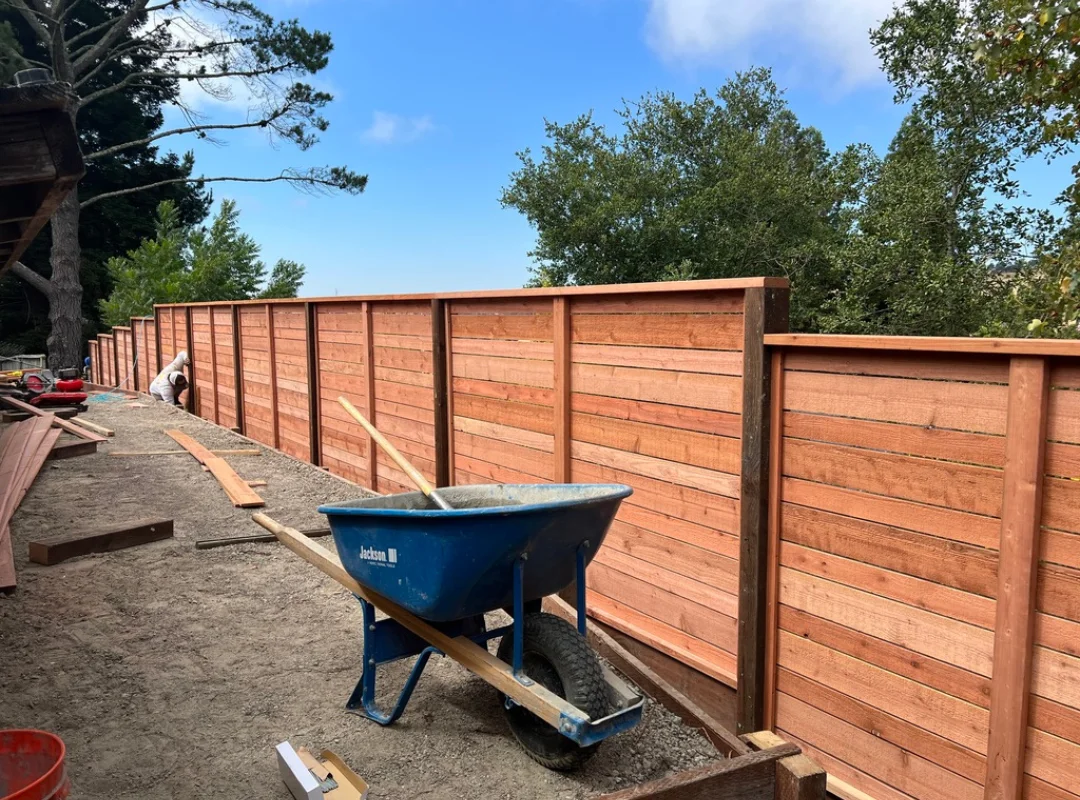
- Horizontal fences use horizontal slats or boards attached to vertical posts, creating a more modern look with clean lines.
Why Do Homeowners Choose Vertical Fences?
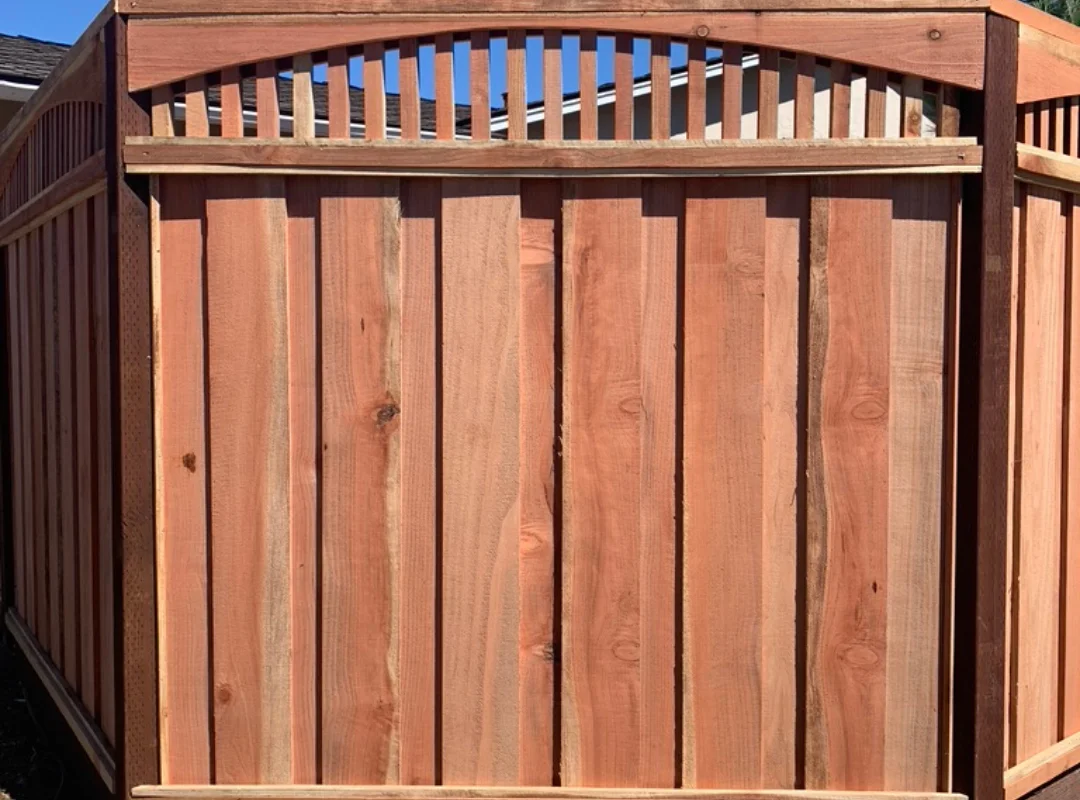
Vertical fences have been around for decades, and there’s a reason they’re still so popular.
Pros of Vertical Fence Design
- Classic appeal: Works well with traditional homes
- Better water runoff: Rain naturally flows down vertical boards, improving weather resistance
- Cost-effective: Typically, a lower cost installation due to simpler construction
- Handles uneven ground better: Easier to install on sloped terrain
- Strong structure: More posts and support points improve wind resistance
Vertical fences offer a tried-and-true solution. If your top priority is durability and budget, this is often the best bet. At FCR Fence & Deck, we often recommend vertical designs for homeowners who want something reliable, clean, and cost-conscious. For long-term planning, it’s worth reviewing how long does a wood fence lasts so you know what kind of lifespan to expect from a vertical wood design.
Cons of Vertical Fences
- Less of a modern aesthetic
- Doesn’t visually expand small yards
- Can feel more closed-in depending on board spacing
That said, with tighter board spacing or tongue-and-groove styles, you can still achieve maximum privacy.
Why Are Horizontal Fences So Popular Right Now?
Pros of Horizontal Fence Design
- Modern design: Creates a sleek look that fits contemporary homes
- Visual expansion: Horizontal lines create the illusion of a wider space, great for small yards
- Customizable spacing: You can adjust slat spacing for more visibility or privacy
- High-end curb appeal: Adds a polished look to your outdoor space
Homeowners seeking a modern aesthetic often lean toward horizontal fence design. It pairs especially well with contemporary homes and commercial properties. Moisture-related issues like this are similar to problems seen in preventing mold on wooden decks, making proper sealing and drainage essential.
Cons of Horizontal Fences
- Higher cost: More labor and materials can drive up the price
- Drainage issues: Water can sit on horizontal boards if not installed correctly
- Requires precision: Poor installation can lead to sagging over time
- Exposed ends: Needs proper sealing to prevent moisture damage
This is where professional installation really matters. Horizontal fence installation needs to be done right; spacing, support, and sealing all play a key role.
At FCR Fence & Deck, we handle horizontal fences with proper spacing and structural support to avoid long-term issues.
Are Horizontal Fences More Expensive?
This comes up a lot, and the answer is pretty practical.
Horizontal fences often require:
- Fewer but stronger vertical posts
- Specifically engineered support systems
- More precise alignment for clean lines
- Higher-quality materials to prevent sagging
Also, achieving that polished look takes more time. It’s not just about putting up boards; it’s about getting everything perfectly level.
So while horizontal ones can elevate your property’s curb appeal, they’re usually not the most budget-friendly option.
Which Fence Style Works Better for Your Yard?
This is where things get personal; your property matters more than trends.
Choose Vertical Fences If:
- You have uneven ground or sloped terrain
- You want a cost-effective, budget-friendly option
- You prefer a classic appeal
- Durability and lower maintenance are your top priorities
Choose Horizontal Fences If:
- You want a modern or contemporary look
- You have a flat yard for easier installation
- Curb appeal is a key factor
- You’re okay with a higher upfront cost
What About Privacy & Visibility?
- Tightly spaced boards reduce gaps and block prying eyes
- Wider spacing allows more visibility and airflow
Horizontal slats are often used to balance privacy and openness. Vertical boards, on the other hand, are more commonly installed with minimal gaps for full coverage. If privacy is your top priority, both styles can deliver, as long as the design is done correctly.
Do Horizontal or Vertical Fences Require More Maintenance?
- Horizontal fences may need more attention due to water sitting on the boards.
- Vertical fences naturally shed water, which can help with longevity
That said, both wood fences and composite options require proper sealing, cleaning, and occasional inspection. Minimal maintenance is possible, but only if the fence is installed properly from the start.
Should You DIY or Hire a Professional?
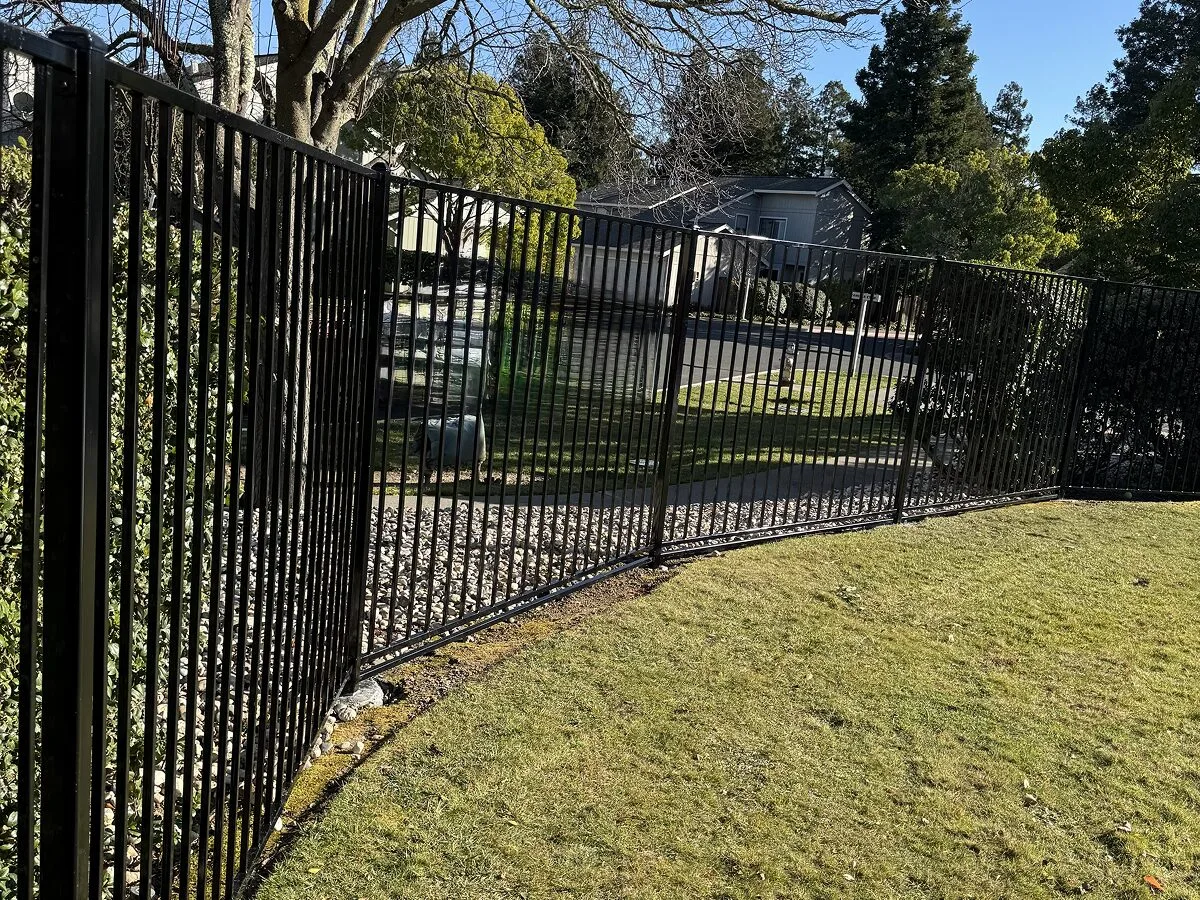
Here’s the honest answer. A basic vertical fence can be a DIY project if you’re experienced and the ground is straightforward. But even then, aligning and securing posts takes skill. Professionals often follow a professional deck maintenance checklist to ensure structural integrity and prevent long-term issues.
Horizontal fence installation is a different story. Because of the precision required, it’s best left to professionals. Poor spacing or weak support can lead to sagging, warping, and costly repairs. At FCR Fence & Deck, we’ve seen plenty of DIY fences that needed fixing within a year. Doing it right the first time saves money and frustration.
Horizontal vs Vertical Fence: Final Thoughts
When it comes to horizontal vs vertical fence design pros and cons, it really comes down to what matters most to you.
Vertical fences are practical, durable, and budget-friendly. Horizontal fences offer a sleek, modern look with strong curb appeal, but at a higher cost and with more installation complexity. The right fence style balances your personal taste, property layout, and long-term maintenance expectations.
Need Help Choosing the Right Fence? Call FCR Fence & Deck Now!
If you’re still deciding between horizontal or vertical, we’re here to help. At FCR Fence & Deck, we provide professional fencing services for your space, style, and budget. From planning to installation, we make sure your fence looks great and performs the way it should. We are proud to serve Alamo, Martinez, Oakland, Walnut Creek, and others in the San Francisco Bay Area.
As licensed fence and deck contractors and builders in California, we also offer wood and composite decking, arbor and trellis, custom iron fabrication, retaining walls, staining and restoration, and chain link fencing.
Contact us at (925) 269-4202 for a free estimate, or visit our office at 111 Arthur Rd. Martinez, CA 94553.
FAQs
Here are some common questions about horizontal vs vertical fence design.
Q: Which is better, a vertical or horizontal fence?
A: It depends on your needs. Vertical fences are more budget-friendly and durable, while horizontal fences offer a modern look and higher curb appeal.
Q: What are the disadvantages of a horizontal fence?
A: They can be more expensive, require precise installation, and may face drainage issues if not built correctly.
Q: Why are horizontal fences more expensive?
A: They require more precise construction, higher-quality materials, and additional labor to achieve a clean, level design.
Q: Should fence panels be vertical or horizontal?
A: Both options work well. Choose vertical for practicality and cost savings, or horizontal for a modern design and visual impact.
Q: Does FCR Fence & Deck offer fencing services in Benicia, CA?
A: Yes, FCR Fence & Deck provides professional fence installation services in Benicia, CA. Call (925) 269-4202 to get started.