



Should You Install A French Drain Behind Your Wall
Installing drainage around outdoor structures is not a small detail. It often decides how long a structure lasts and how well it performs. A French drain plays a key role in managing water around soil and building structures. In fact, whether to install a French drain behind your wall is an important question for any property owner dealing with moisture or slope issues. We will also walk through how professionals install a drain behind a wall and why this system matters so much. Keep reading!
Why Water Pressure Builds Up Behind Walls
Water rarely stays still in soil. It moves, collects, and builds force over time. Behind a retaining wall, rainwater and groundwater often get trapped. This trapped water creates hydrostatic pressure. That pressure pushes against the wall like a constant weight.
Heavy rain and poor slopes make things worse. Water pools behind the structure instead of flowing away. This leads to soil erosion and weak spots in the wall. Over time, even a strong wall begins to show signs of stress. Cracks appear, and water leaks become common. A proper drainage system reduces this pressure. It provides a path of least resistance, so water does not become trapped behind the wall.
Warning Signs Your Wall Has Drainage Issues
You can often spot drainage problems before major damage occurs. You just need to know what to look for.
Watch for these signs:
- Water is coming through small gaps in the wall
- Standing water near the base
- Soil that stays wet for long periods
- Bulging or leaning wall sections
- Visible cracks after heavy rainfall
How a French Drain Actually Works
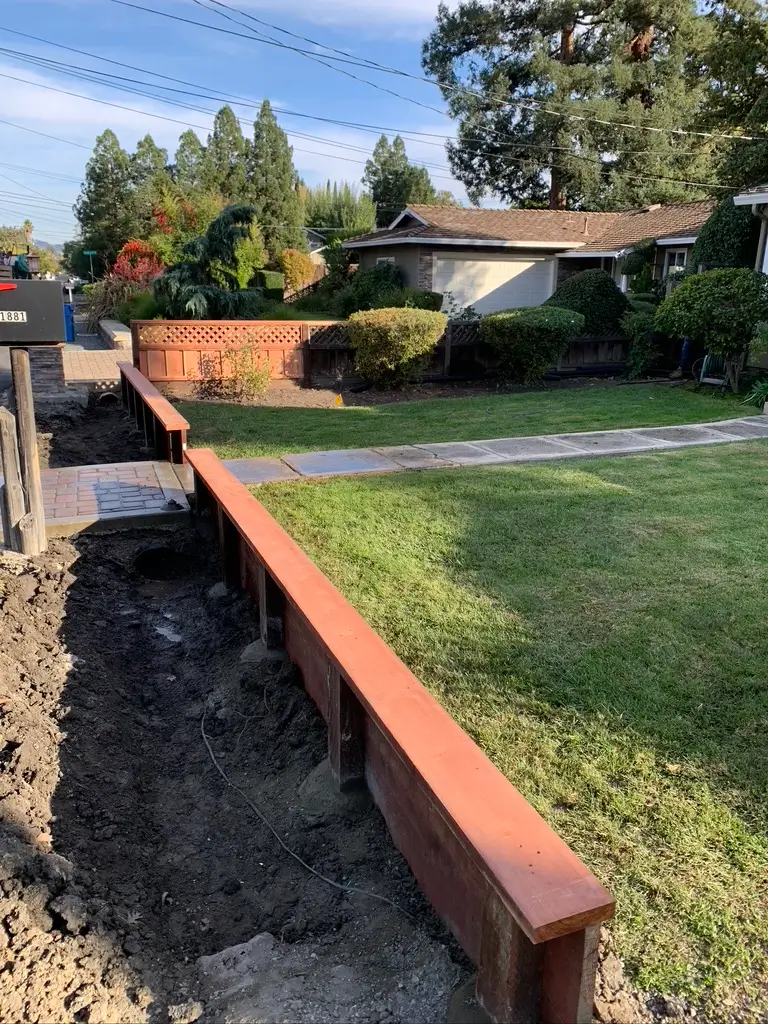
A French drain may look simple, but it works smartly. Contractors install a perforated drain pipe inside a trench behind the wall. This pipe collects water that moves through the soil. They wrap the pipe in landscape fabric to prevent debris and soil particles from entering. Then they surround it with gravel backfill or drain rock. This setup allows water to flow freely while keeping the system clean.
Here is the basic flow:
Water enters soil → moves into gravel → enters perforated pipe → exits away from wall
This process reduces pressure and keeps the wall dry. Proper drainage helps the system work without blockage. It also protects the surrounding landscape from water damage.
Step-by-Step Installation Behind a Wall
Installing a French drain behind a wall takes planning and precision. Contractors follow a structured process to ensure proper flow.
1. Digging the trench
They dig behind the retaining wall design to create space for the pipe. The trench must follow a slight slope so water can move naturally.
2. Adding landscape fabric
They line the trench with landscape fabric. This prevents soil from clogging the system.
3. Placing drain rock
They add a layer of pea gravel or drain rock at the base. This supports water movement.
4. Installing the perforated pipe
They place the perforated drain pipe with holes facing downward or sideways, depending on the design. This allows water collection from multiple directions.
5. Backfilling with gravel
They cover the pipe with more gravel. This creates space for water to flow freely.
6. Final soil fill
They add soil on top and connect the system to a safe drainage outlet.
Each step ensures proper drainage, relieves water pressure, and protects the wall’s integrity.
Common Mistakes That Cause Drain Failure
Many drainage problems come from poor installation. Even small errors create big issues later.
Here are the most common mistakes:
- Wrong slope direction in the trench
- Using a solid pipe instead of a perforated pipe
- Skipping landscape fabric
- Not enough gravel around the pipe
- Blocking outlet points
- Ignoring soil type and water flow
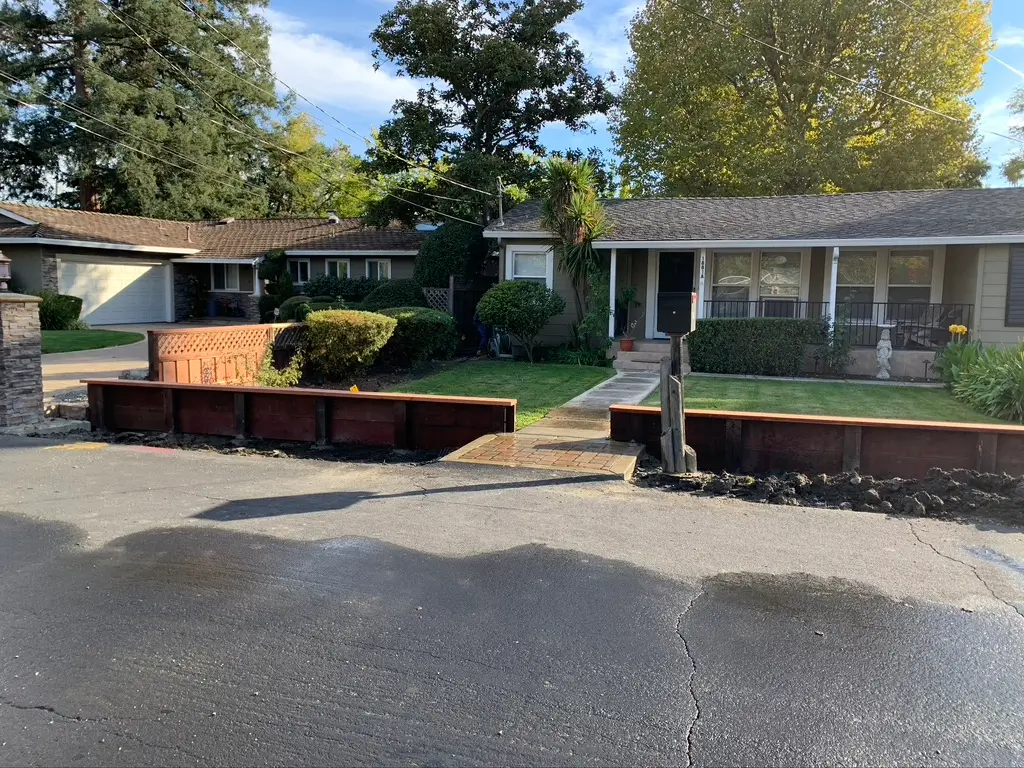
Some installers also forget to check the surface water direction. Without proper planning, water keeps coming back behind the wall. That defeats the entire purpose of the system. A well-installed system always directs water away, not just collects it. Maintenance is more critical for a wooden retaining wall.
Why a French Drain Protects Your Wall Long-Term
A French drain does more than move water. It protects the entire structure over time. When water flows properly, soil stays stable and compact. That reduces soil erosion and prevents shifting. It also reduces hydrostatic pressure that often damages retaining walls. Over time, this protection saves property owners from costly repairs.
In areas with heavy rainfall, this system becomes even more important. It keeps excess moisture under control and prevents standing water from forming behind the structure. A proper drainage setup also improves landscape design. Dry soil allows plants to grow evenly and keeps outdoor spaces visually appealing.
Planning & Installation Considerations
Before installing a French drain, you need to understand your property layout. You must check slope, soil type, and water flow direction. Without enough slope, water will not move efficiently.
Contractors also evaluate ground conditions. Clay soil holds water longer, while sandy soil drains faster. These factors affect pipe depth and gravel quantity. Proper planning avoids future drainage problems. It also ensures the system works with the least resistance and maximum flow efficiency.
So, Are You Installing a French Drain Behind Your Wall?
A retaining wall without drainage always struggles. Water finds its way in, and pressure builds silently. A French drain solves this problem by guiding water out before it causes damage. If your wall shows signs of moisture, cracking, or soil movement, you should seriously consider this system. It protects structure, controls water movement, and supports long-term stability. In simple terms, water always moves. Your job is to give it a safe path.
French Drain Installation for Retaining Walls by FCR Fence & Deck
Water buildup behind a retaining wall can create pressure that slowly weakens the entire structure. Without proper drainage, issues like shifting soil, cracking, and erosion can develop long before visible damage appears. FCR Fence & Deck builds retaining walls, fences, decks, and outdoor structures with long-term stability in mind, including drainage solutions that help redirect water and reduce stress on surrounding materials. If your wall is holding back more water than it should, contact us or schedule your free estimate today.
Frequently Asked Questions
Here are some common questions people ask when they consider drainage, retaining walls, and outdoor structure work with FCR Fence & Deck.
Q1. Does FCR Fence & Deck install French drains behind retaining walls?
A: Yes, FCR Fence & Deck installs proper drainage systems behind retaining walls.
Q2. How does FCR Fence & Deck handle drainage problems in backyard walls?
A: FCR Fence & Deck inspects water flow, soil erosion, and wall pressure issues.
Q3. Can FCR Fence & Deck fix water pooling near retaining walls?
A: Yes, our team addresses standing water and surface water issues.
Q4. Does FCR Fence & Deck work in areas like Concord and Brentwood for drainage solutions?
A: Yes, FCR Fence & Deck serves Concord, Brentwood, and nearby areas, including Alamo, Antioch, Benicia, Clayton, and Danville, for fence, deck, and drainage-related projects.
Q5. Why should I choose FCR Fence & Deck for retaining wall drainage installation?
A: FCR Fence & Deck brings experience in proper installation techniques, including slope correction, gravel backfill setup, and perforated pipe placement.