



Can I Have a 6 Foot Fence at the Front of My House in Orinda, CA?
Before You Build, Know What Orinda Looks For
If you are planning a new fence, start with the local rules before you purchase materials or hire a contractor. Orinda places strong emphasis on neighborhood appearance, safety, and street visibility.
Many California cities regulate fence height differently depending on where the fence sits on the property. A backyard fence often follows different standards than a front yard fence. In many cases, a 6-foot fence works well in side and rear yards, but front-yard fences often face stricter height restrictions.
The city reviews factors such as:
- Fence height
- Property line location
- Sight lines for drivers and pedestrians
- Residential zones
- Corner lots
- Design compatibility
- Safety concerns
Since every property differs, homeowners should always verify requirements with the city’s planning department before beginning construction.
Understanding Front Yard Fence Height Limits
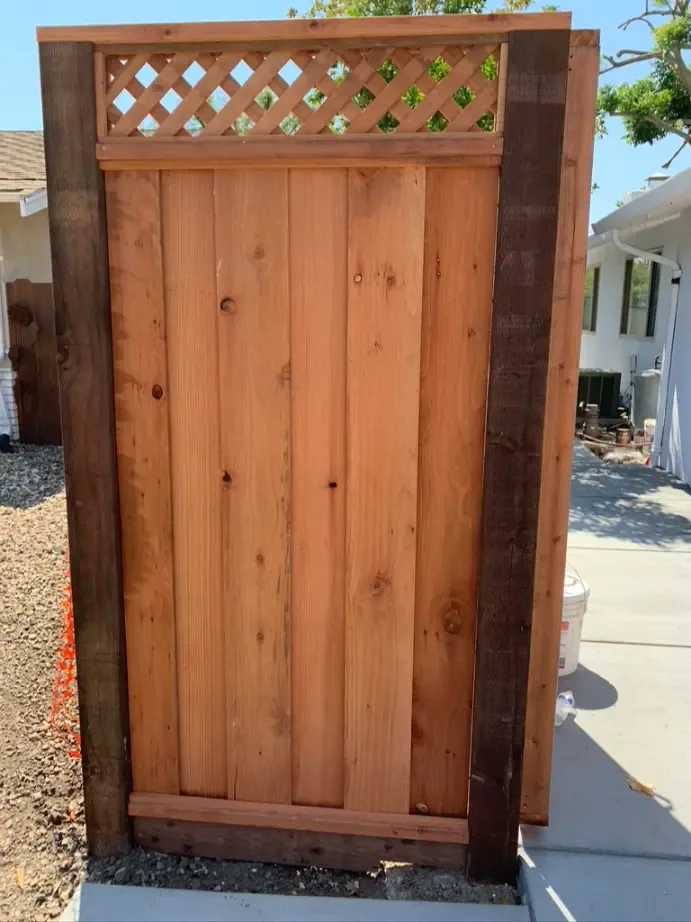
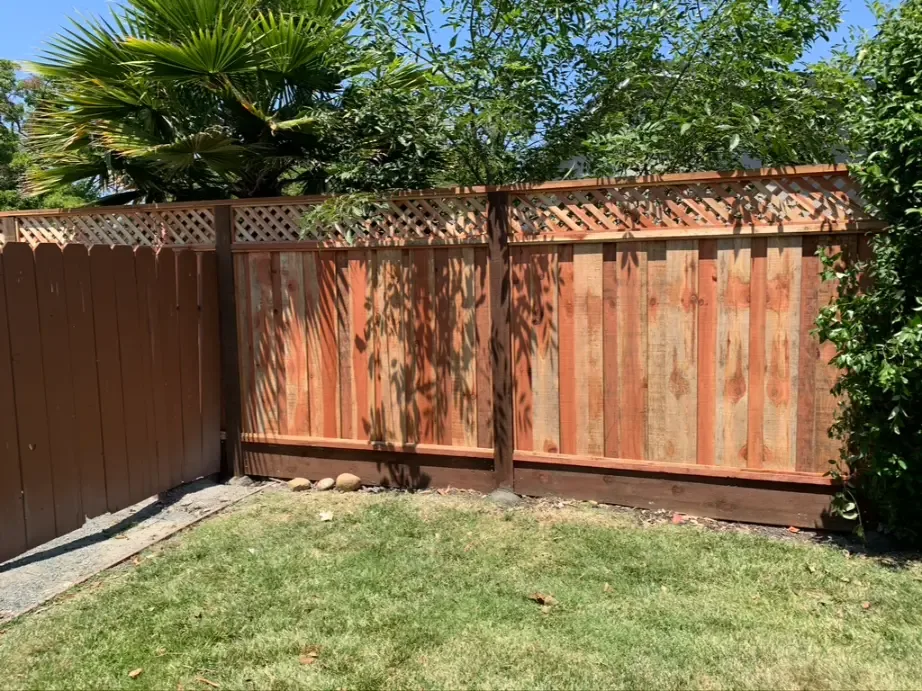
A 6-foot fence in Orinda in the front yard may not receive automatic approval. Many local ordinances throughout California set lower fence-height limits within front-yard setback areas. These restrictions help preserve visibility and maintain the open character of residential neighborhoods.
A front-yard fence that reaches 6 feet in height may require zoning approval, design review, and additional review by city staff. The exact requirements depend on where the fence sits relative to the street and property boundaries.
For example, a decorative fence near the sidewalk may qualify under different standards than a tall fence placed closer to the home. The location matters just as much as the height.
Why Location Matters More Than Height Alone
Here’s something many property owners overlook.
A fence along a side yard or backyard often receives approval more easily than a fence facing the street. The city pays close attention to front yard fences because they affect visibility and neighborhood appearance.
Several factors can influence approval:
Property Line Placement
The property line determines where construction can occur. Before building, confirm the exact boundary line through property records or a professional survey.
Corner Lots
Corner lots often require larger visibility areas. A tall fence near an intersection can block sight lines and create safety concerns.
Hillside Areas
Orinda includes many hillside areas. Sloped terrain can affect how the city measures fence height and whether retaining walls factor into the overall structure height.
Existing Fence Conditions
If an existing fence already stands on the property, replacement rules may differ from those for new construction.
A careful site plan helps city reviewers understand exactly where the fence sits and how it interacts with neighboring properties and public streets.
California Laws Every Homeowner Should Know
California law includes several fence-related regulations that can affect your project.
The Good Neighbor Fence Act
The Good Neighbor Fence Act addresses shared fences located along property boundaries. Under this state law, neighboring property owners generally share responsibility for reasonable construction and maintenance costs.
If your fence sits directly on a boundary line, discuss the project with your neighbors before construction begins.
Spite Fence Restrictions
California also regulates sight fences. A spite fence typically serves no practical purpose and exists mainly to annoy a neighbor.
Courts may consider factors such as:
- Unusual fence height
- Intentional obstruction
- Property disputes
- Lack of functional purpose
Most standard residential fencing projects never encounter this issue, but homeowners should understand the rule before installing exceptionally tall fences.
Choosing Fence Materials That Meet Local Expectations
Now that we’ve covered legal considerations, let’s talk about materials.
The right fence materials can improve approval chances while helping the structure blend into the neighborhood.
Wood Fences
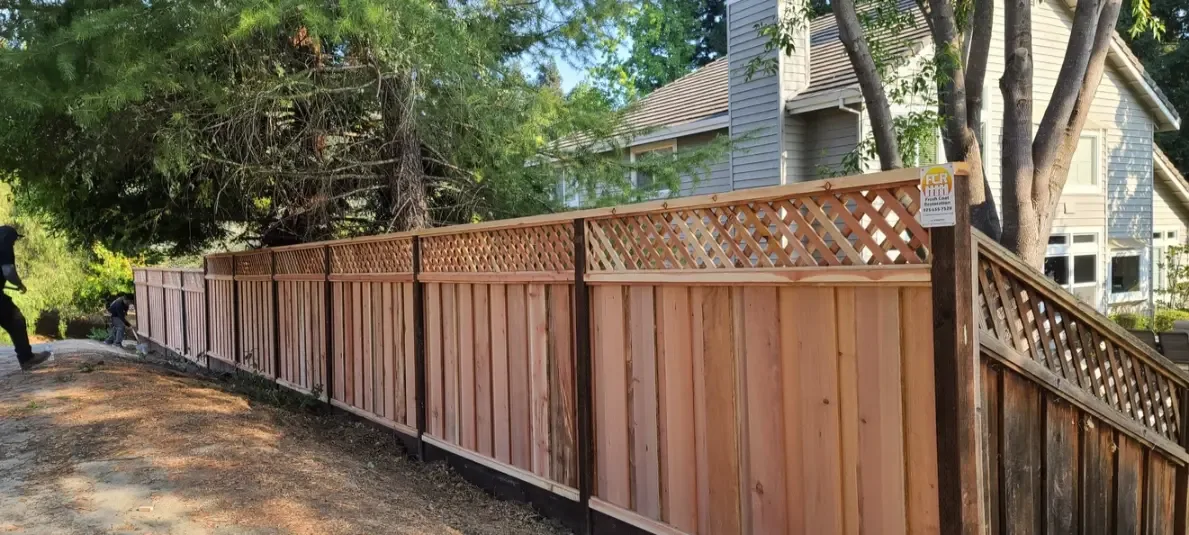
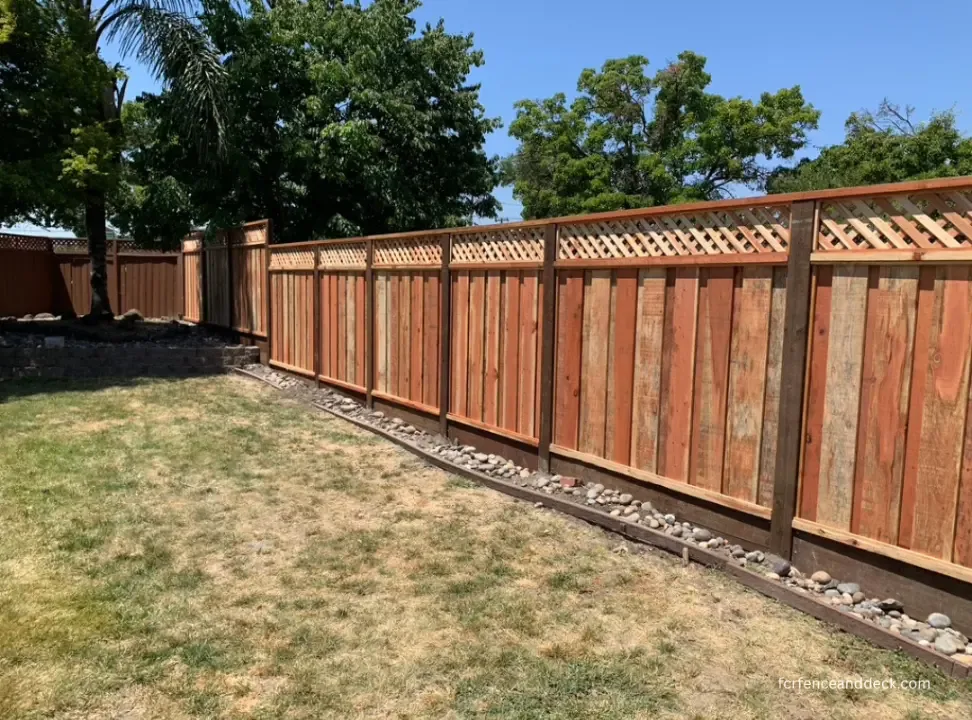
Wood fences remain one of the most popular choices in Orinda. They provide privacy, natural beauty, and flexibility in design.
Many homeowners choose wood because it complements the area’s residential character.
Wrought Iron & Metal Fences
Wrought iron and other metal fences offer durability and visibility. These designs often work well in front-yard locations because they maintain open sight lines.
Chain Link Fences
Chain link fencing provides a practical option, although some neighborhoods and HOA rules may limit its use in prominent front-facing areas.
Decorative Fences
Decorative fences combine appearance and function. Many homeowners use these designs to define property boundaries without creating an overly enclosed look.
Selecting appropriate materials can make the permit application process much smoother.
Permits, Plans, & Reviews: What to Expect
If you’re serious about installing a new fence, preparation saves time and frustration.
Many fence projects require documentation before construction begins.
The city may request:
- A site plan
- Property measurements
- Fence design details
- Material specifications
- Height calculations
- Construction drawings
Some projects also require design review, particularly when the property falls within sensitive residential areas or locations with special development standards. Homeowners sometimes assume a fence project is simple, but permit requirements can become surprisingly detailed when a structure approaches height limits.
That is why many residents choose to work with experienced fence professionals who understand local code requirements.
Avoid These Common Fence Planning Mistakes
Avoid these common issues before building a fence in Orinda:
Skipping Property Verification
Never assume the property line sits where an old fence currently stands. Confirm boundaries before construction starts.
Ignoring HOA Rules
Some homeowners’ associations enforce fence height, material, and design restrictions that exceed city requirements.
Overlooking Visibility Requirements
A fence near a street, driveway, or corner lot can trigger additional review if it affects sight lines.
Choosing Height Before Research
Many homeowners decide they want a 6-foot fence first and investigate regulations later. Reverse that process to avoid costly redesigns.
A little planning goes a long way.
Final Thoughts on Front Yard Fence Rules in Orinda
If you have been asking, “Can I have a 6-foot fence at the front of my house in Orinda?” The answer depends on your property’s layout, local code requirements, and approval process.
While many backyard fences can reach 6 feet in height, front yard fences often face stricter height restrictions. Factors such as sight lines, property line location, zoning approval, design review, and local ordinances all play a role.
Before starting construction, review city requirements, confirm property boundaries, and work with fencing professionals in Orinda who understand local regulations. Taking these steps can help you avoid delays and move forward with confidence.
Building A Fence in Orinda with FCR Fence & Deck
Front yard fencing has stricter restrictions than backyard enclosures, especially when it comes to visibility, corner lots, and street-facing boundaries. At FCR Fence & Deck, we provide custom fence installation, wood and decorative fencing, driveway gates, and deck construction, along with related outdoor work like retaining walls and property boundary upgrades. If you’re planning a new fence, contact us today and book your free estimate!
Frequently Asked Questions
Many homeowners ask similar questions before planning a fencing project. Here are a few common questions: Q1. Does FCR Fence & Deck install front yard fences in Martinez and nearby communities?
Q2. Can FCR Fence & Deck help with fence planning and permit questions?
A: Yes. Our team can guide homeowners through fence design considerations and local approval requirements.
Q3. Do I need a building permit for a 6-foot fence in Orinda?
A: Possibly. Permit requirements depend on fence location, height, zoning regulations, and project details.
Q4. Can I place a fence directly on my property line?
A: In many cases, yes, but you should verify the boundary line and discuss shared fencing responsibilities with neighbors when applicable.
Q5. What fence material works best for front yard fencing?
A: Wood fences, wrought iron, decorative fences, and certain metal fences remain popular choices because they balance appearance, durability, and functionality.